Why Europe
Security has become a budget priority.
Defence, cybersecurity and critical infrastructure are no longer peripheral. Capital is moving where governments and businesses need resilience.
GBH Capital · GBH Group investment platform


Regulation, NATO, geopolitics and timing explain why security is now a budget priority for governments and businesses.
01 EDA · 16 July 2026
+20%
The European Defence Agency reports spending of €418 billion in 2025, 20% more than the previous year.
Source: EDA
02 NATO · The Hague 2025
5% of GDP
At least 3.5% of GDP is intended for core defence requirements and up to 1.5% for wider security and resilience expenditure.
Source: NATO
03 NÚKIB · 11 February 2026
4,825
NÚKIB states that 4,825 entities had reported a regulated service by 8 February 2026.
Source: NÚKIB
04 Government of the Czech Republic · 5 March 2025
3% of GDP
The government decided to gradually raise defence spending to at least 3% of GDP by 2030.
Source: Czech Government
Capital is the investment platform. Its advantage comes from assessing opportunities through the market, the customer and operating experience from GBH Defence, Cyber, Bunker, Academy and Partners.
Why Europe
Defence, cybersecurity and critical infrastructure are no longer peripheral. Capital is moving where governments and businesses need resilience.
Why now
Czech Acts No. 264/2025 and 266/2025 govern cybersecurity and critical-infrastructure resilience duties.
Why GBH
GBH Defence, Cyber, Bunker, Academy and Partners contribute experience from security services, construction, training and operations.
Sector map
Drones, security software, cybersecurity, defence technology, data centres and shelter infrastructure form one connected investment map.
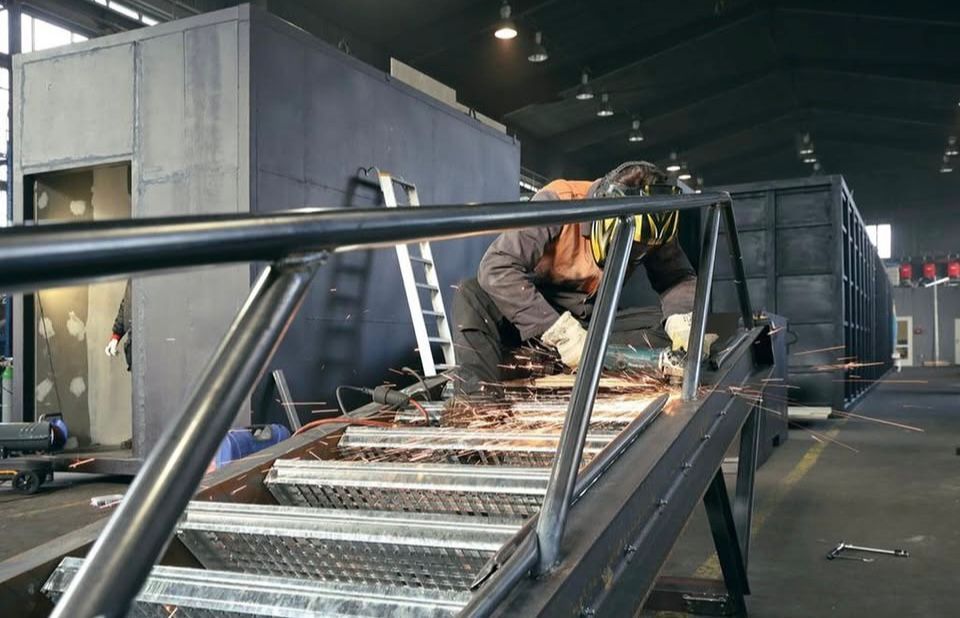
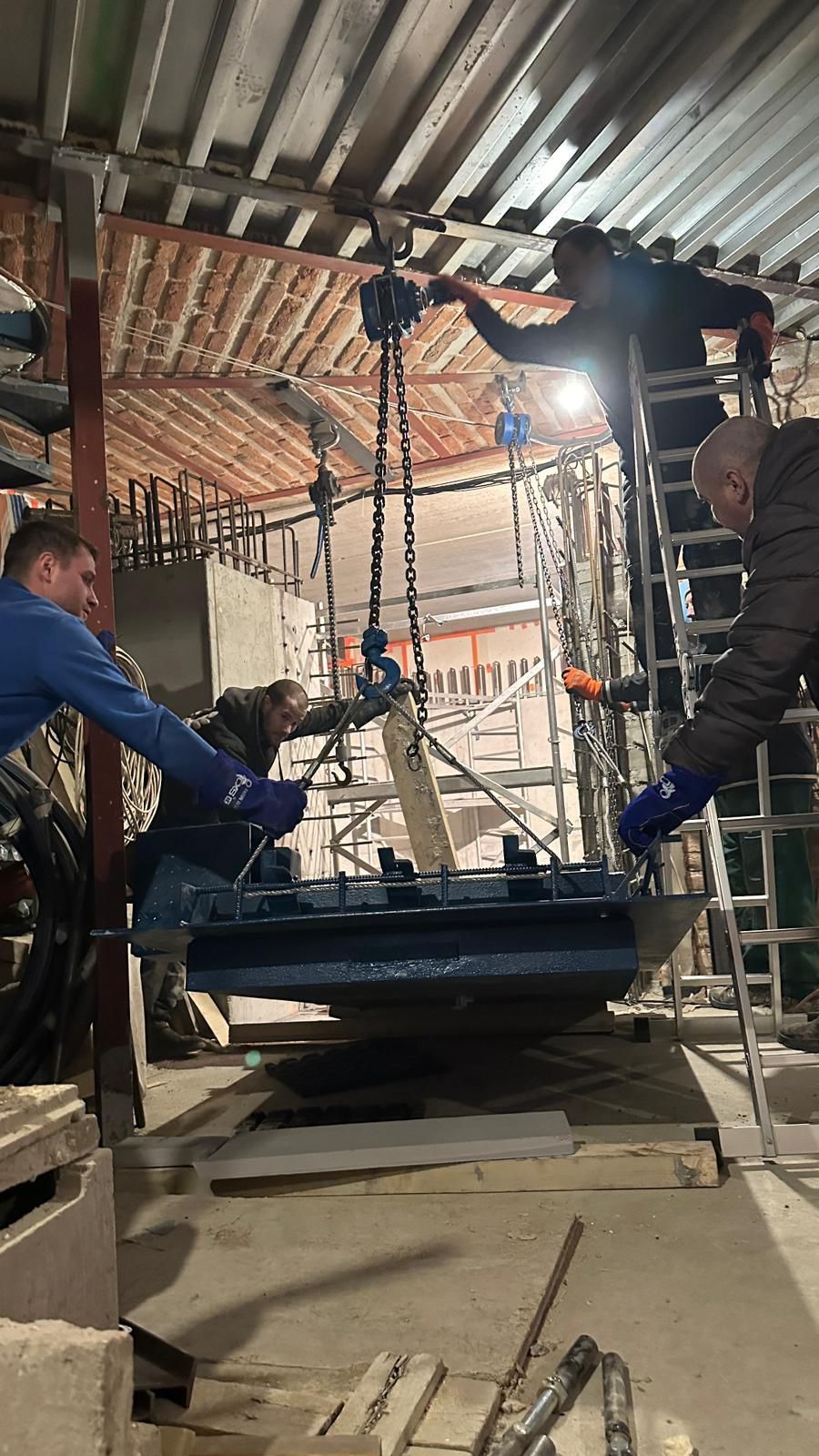
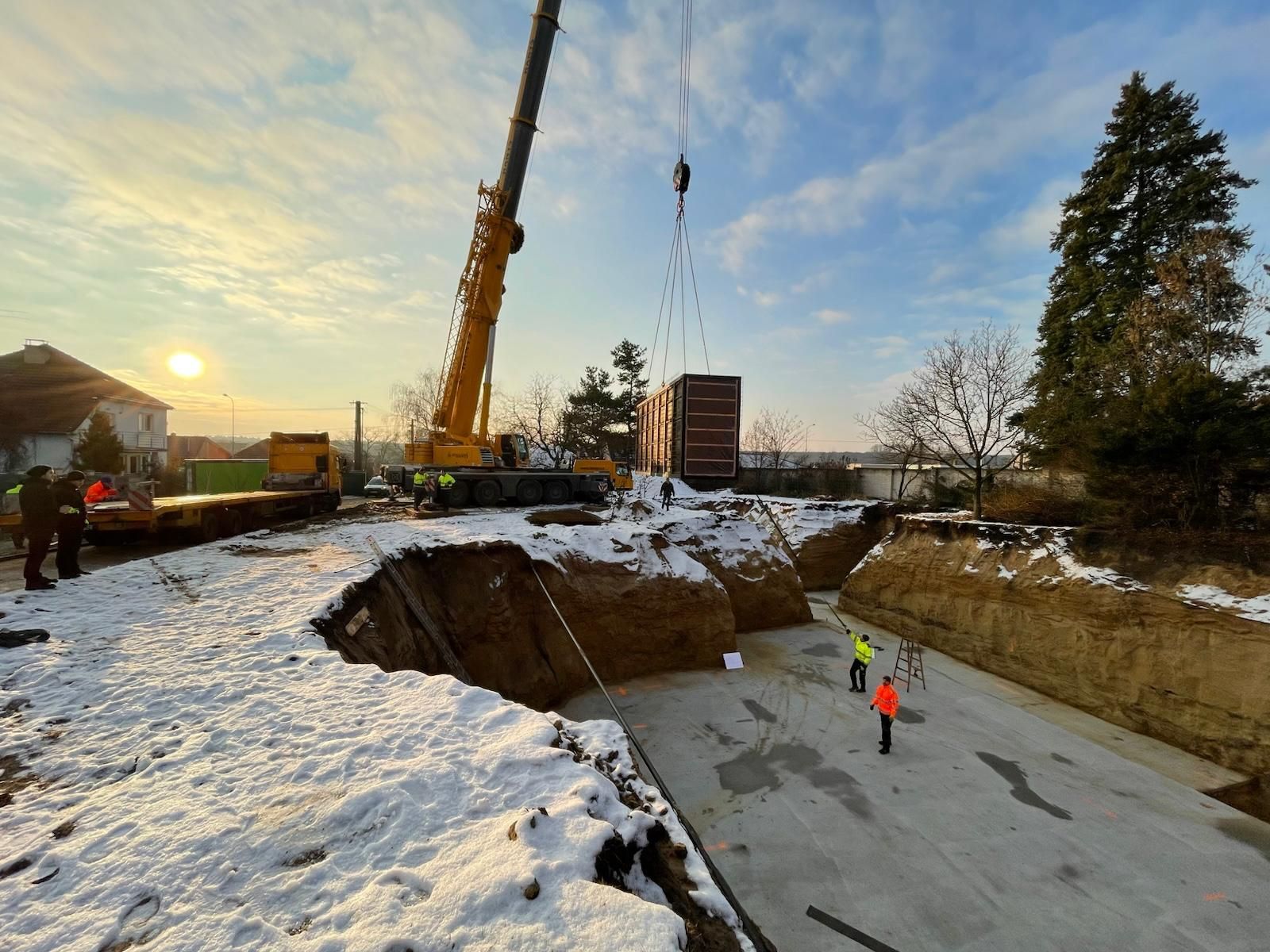
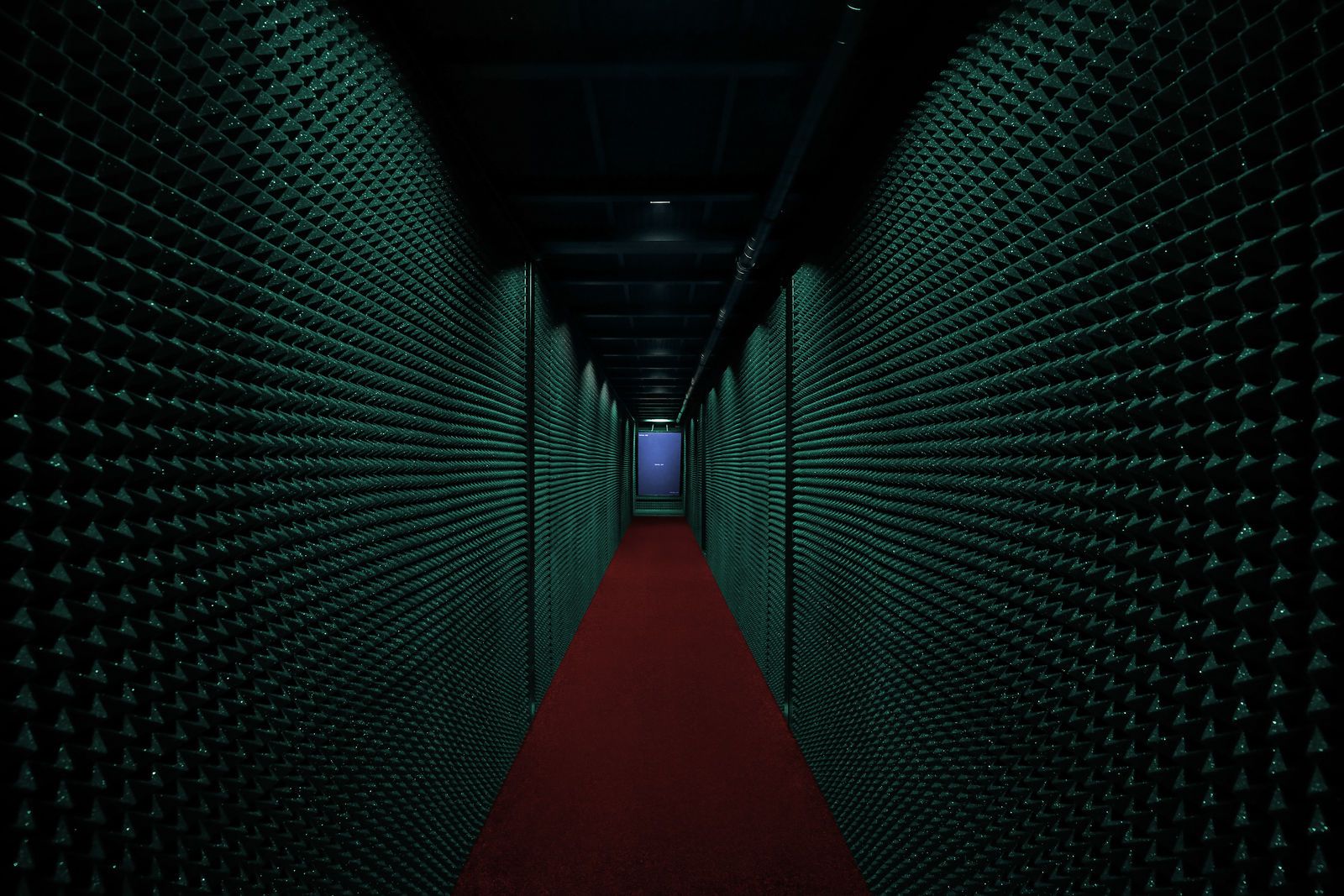
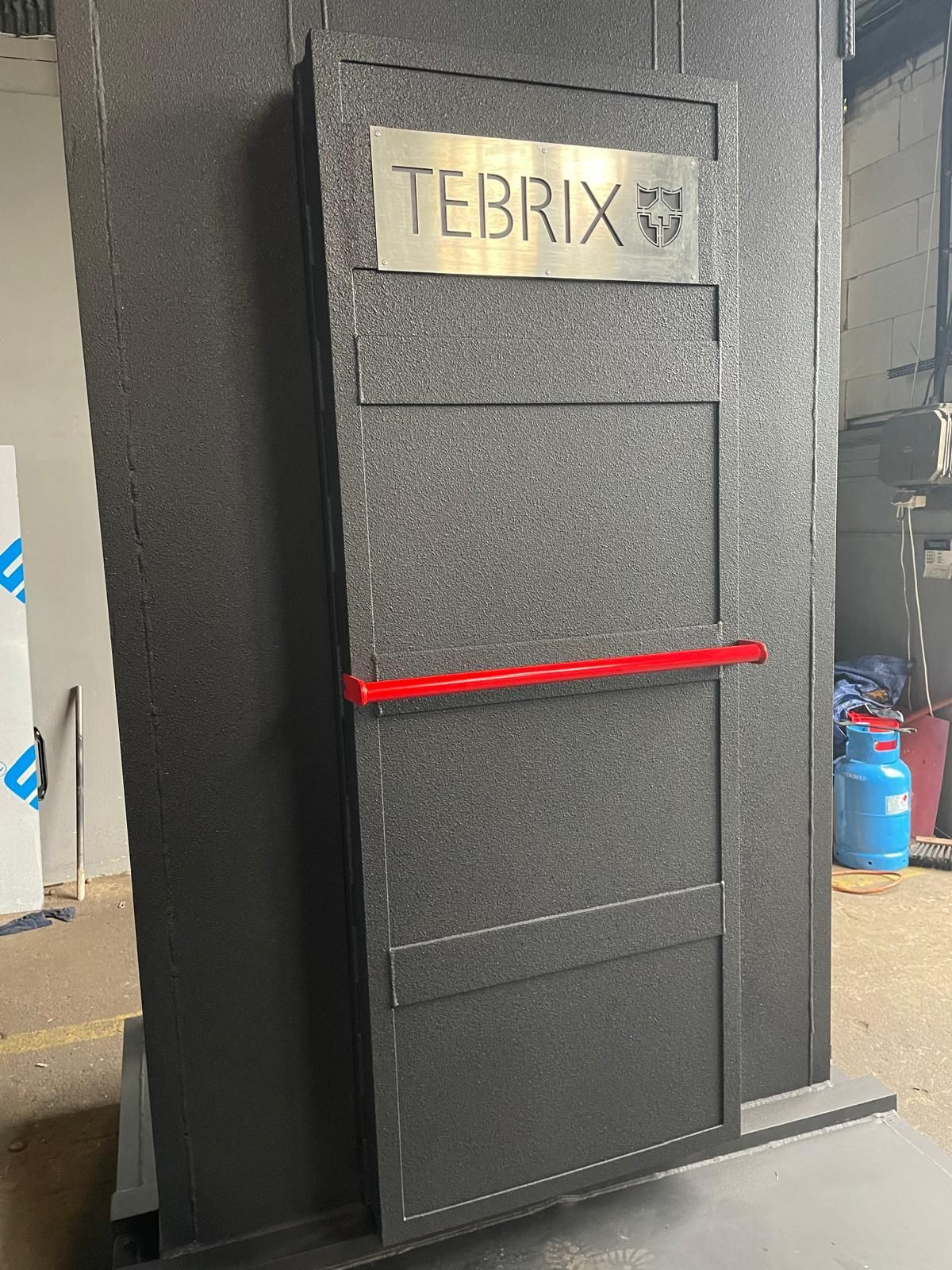
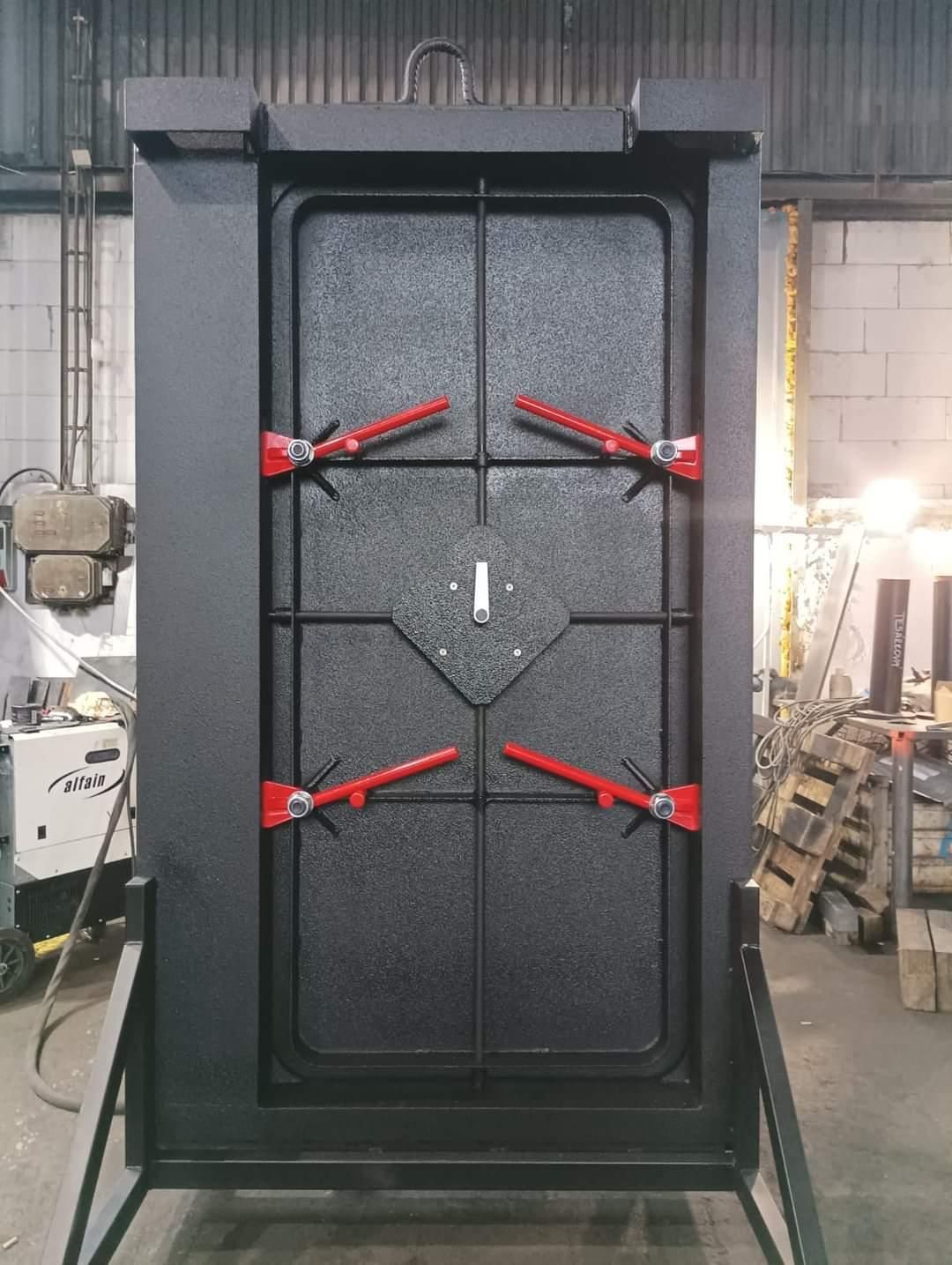
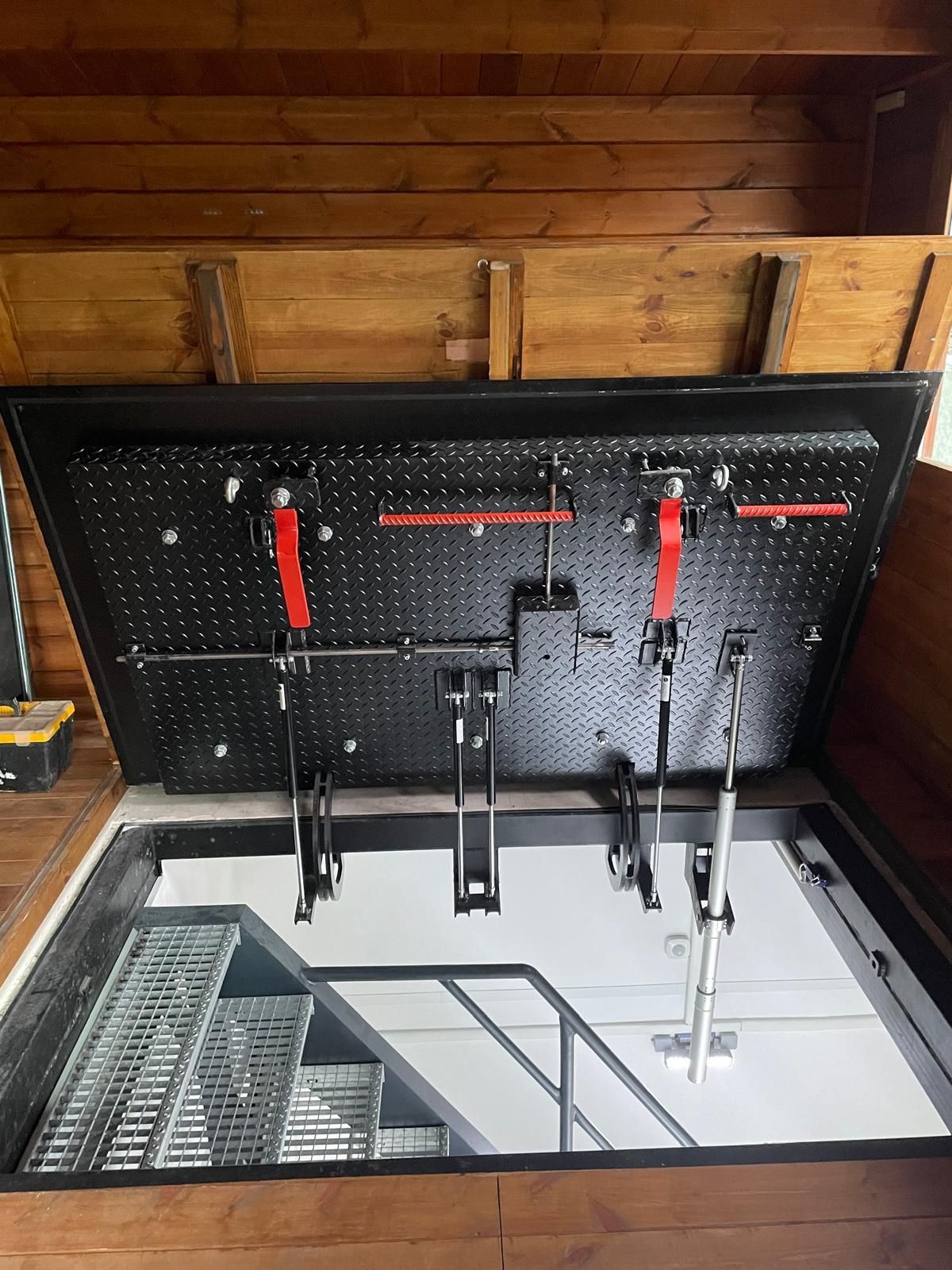
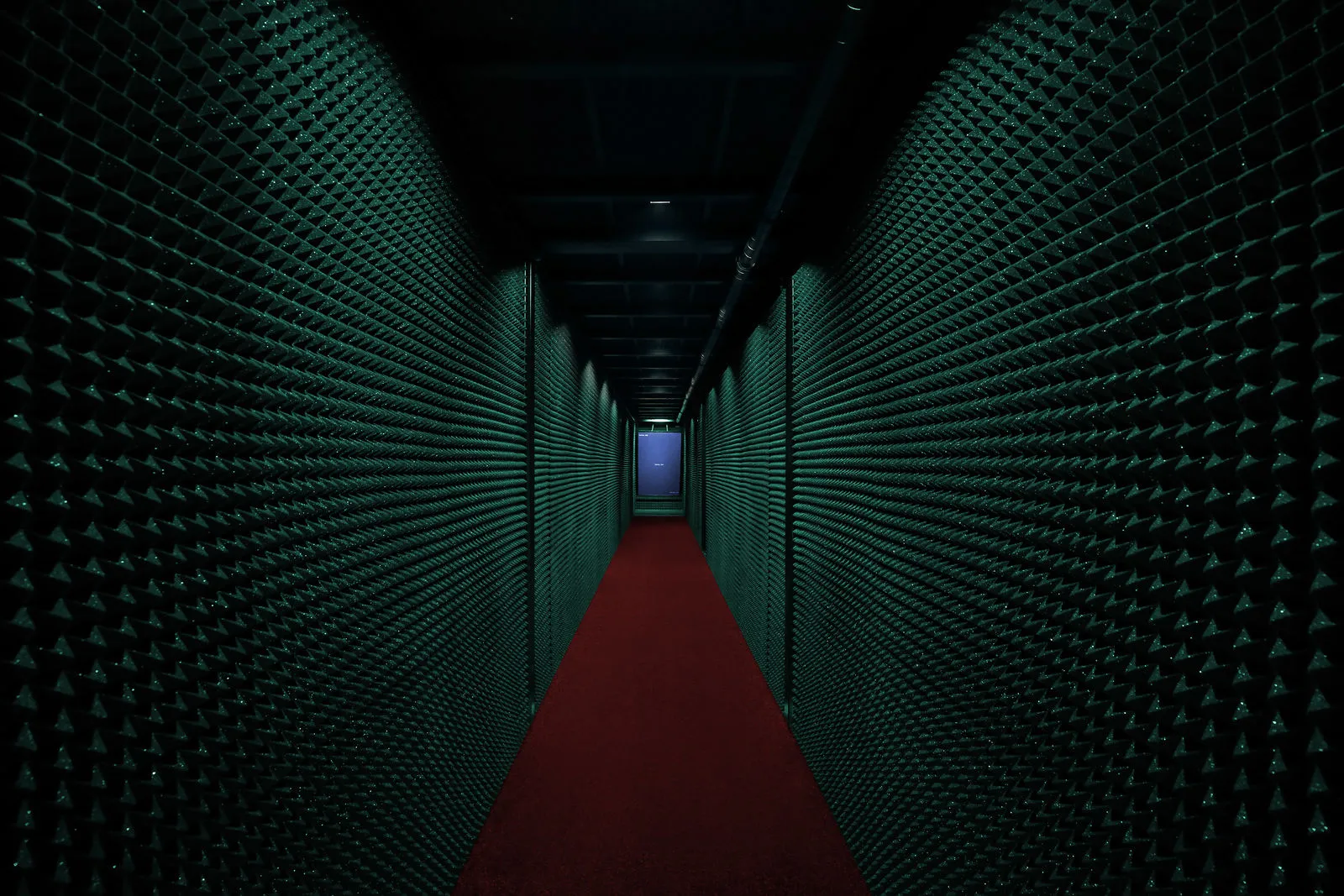
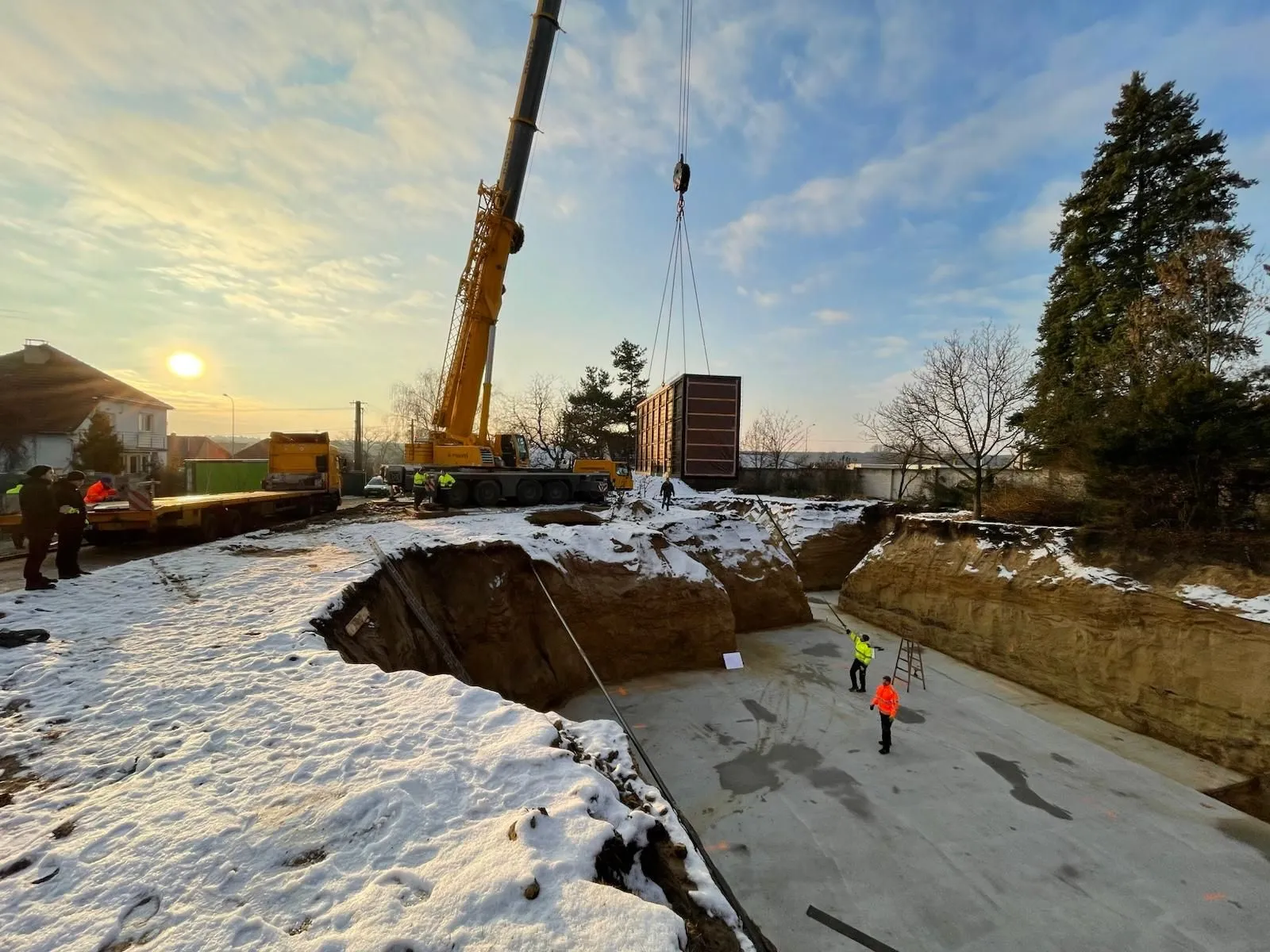
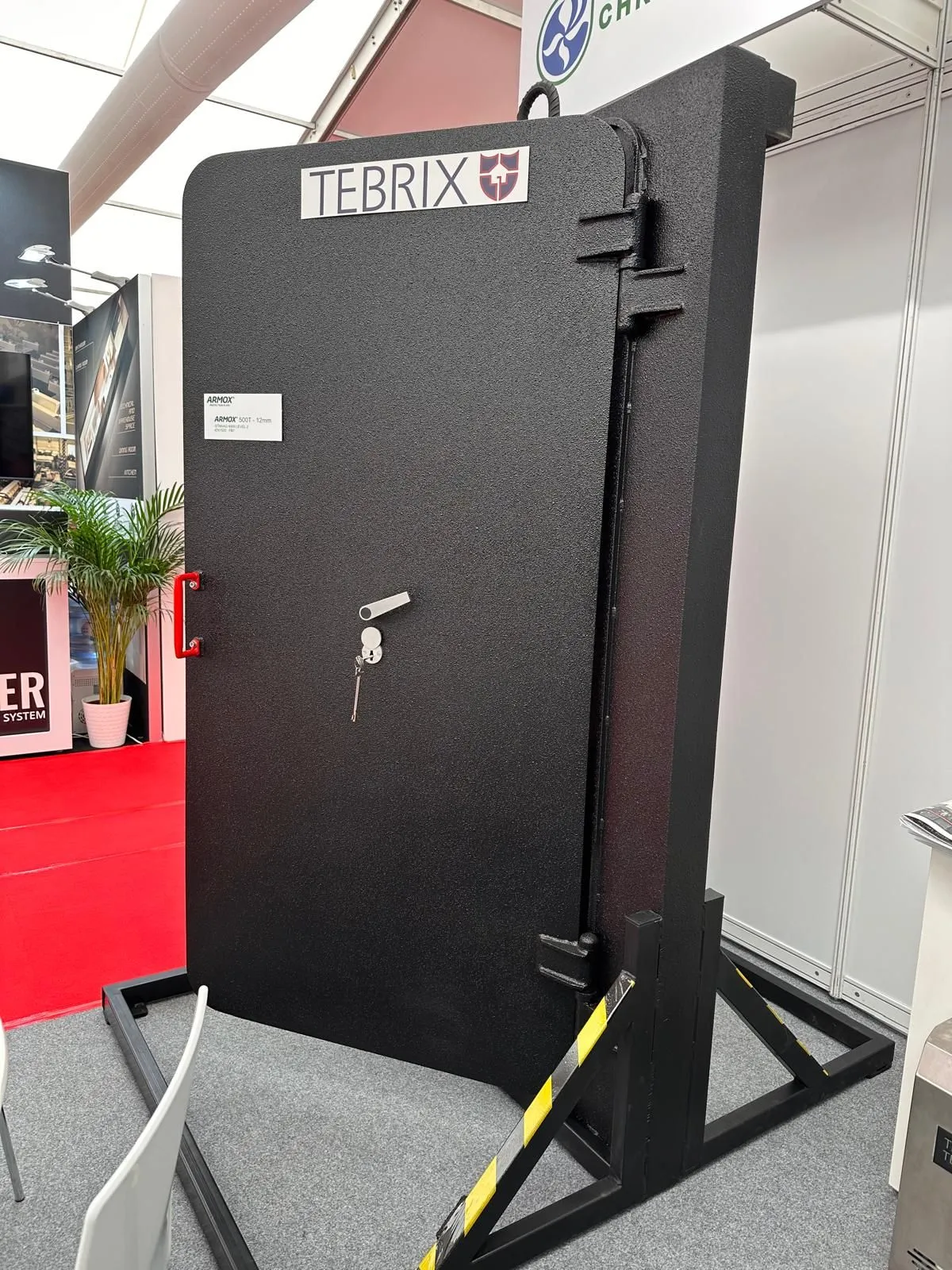
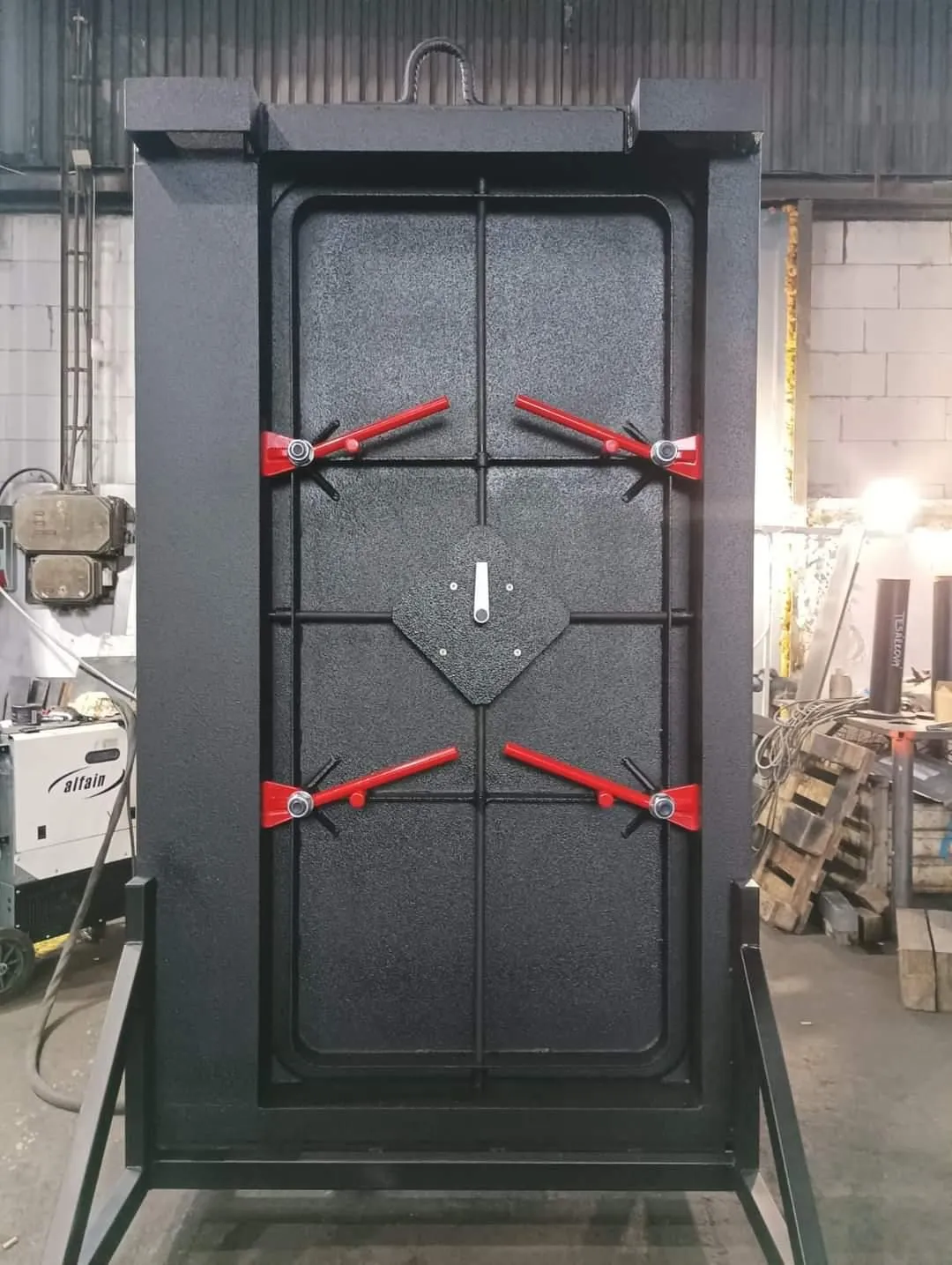
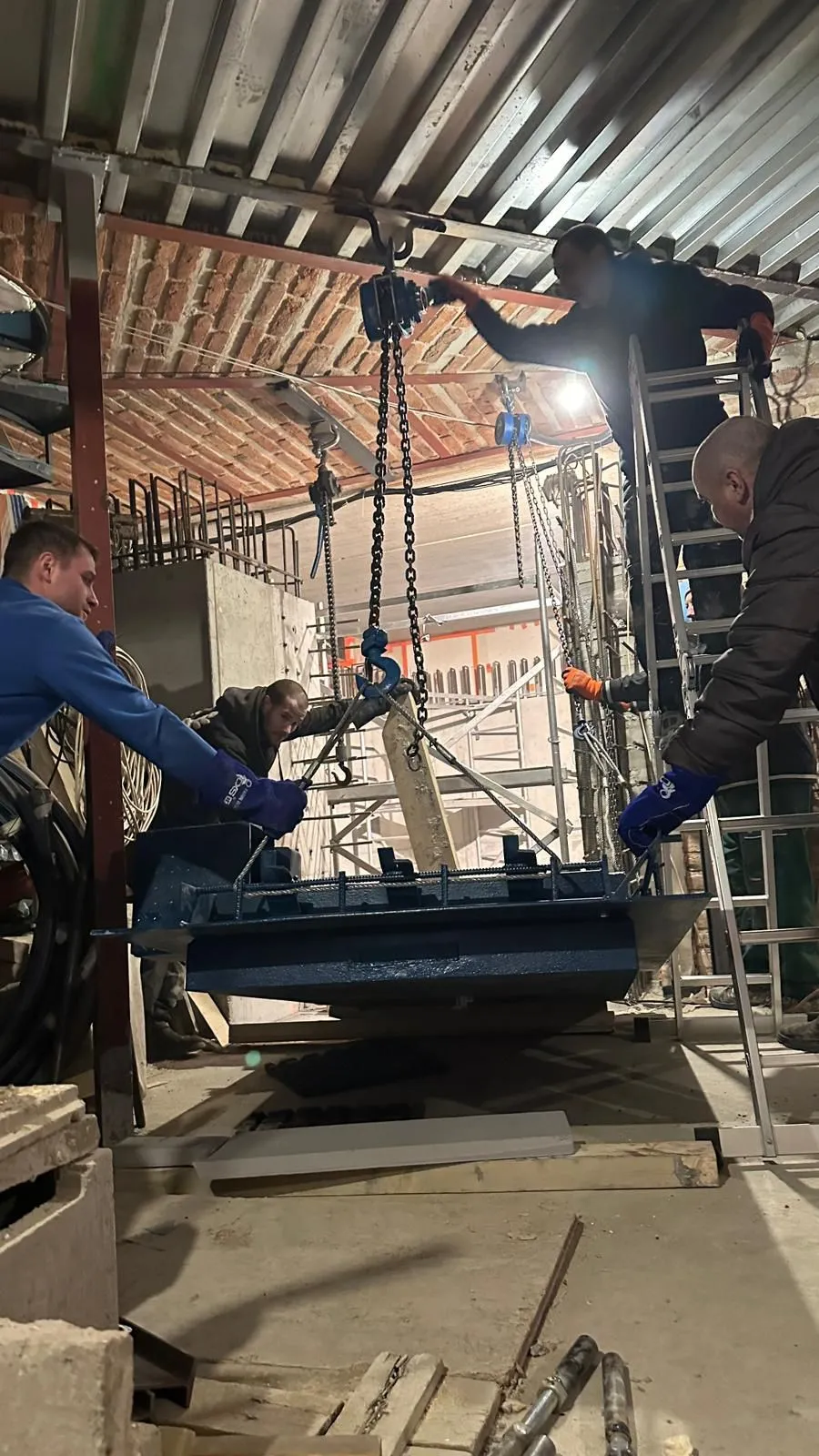
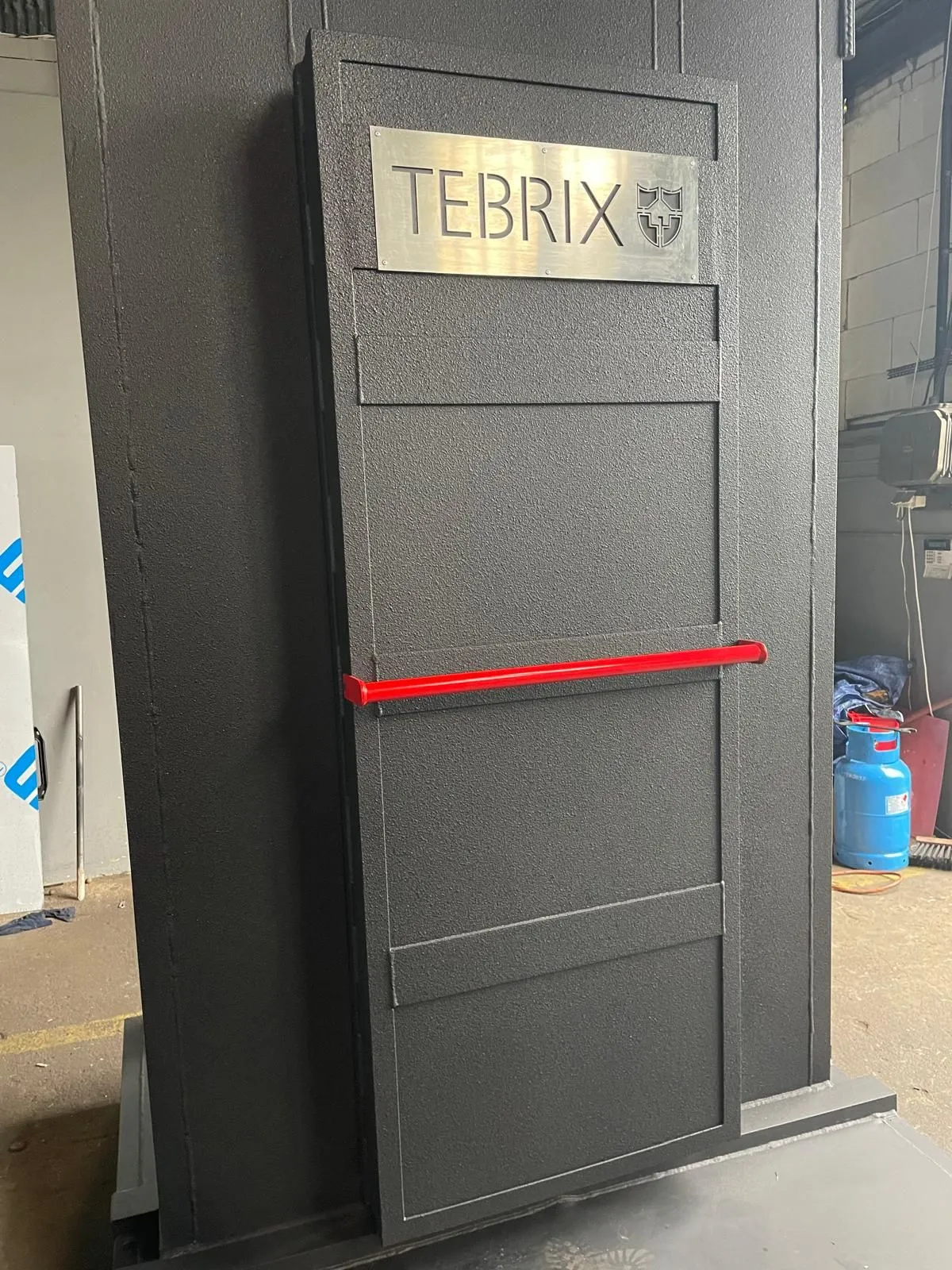
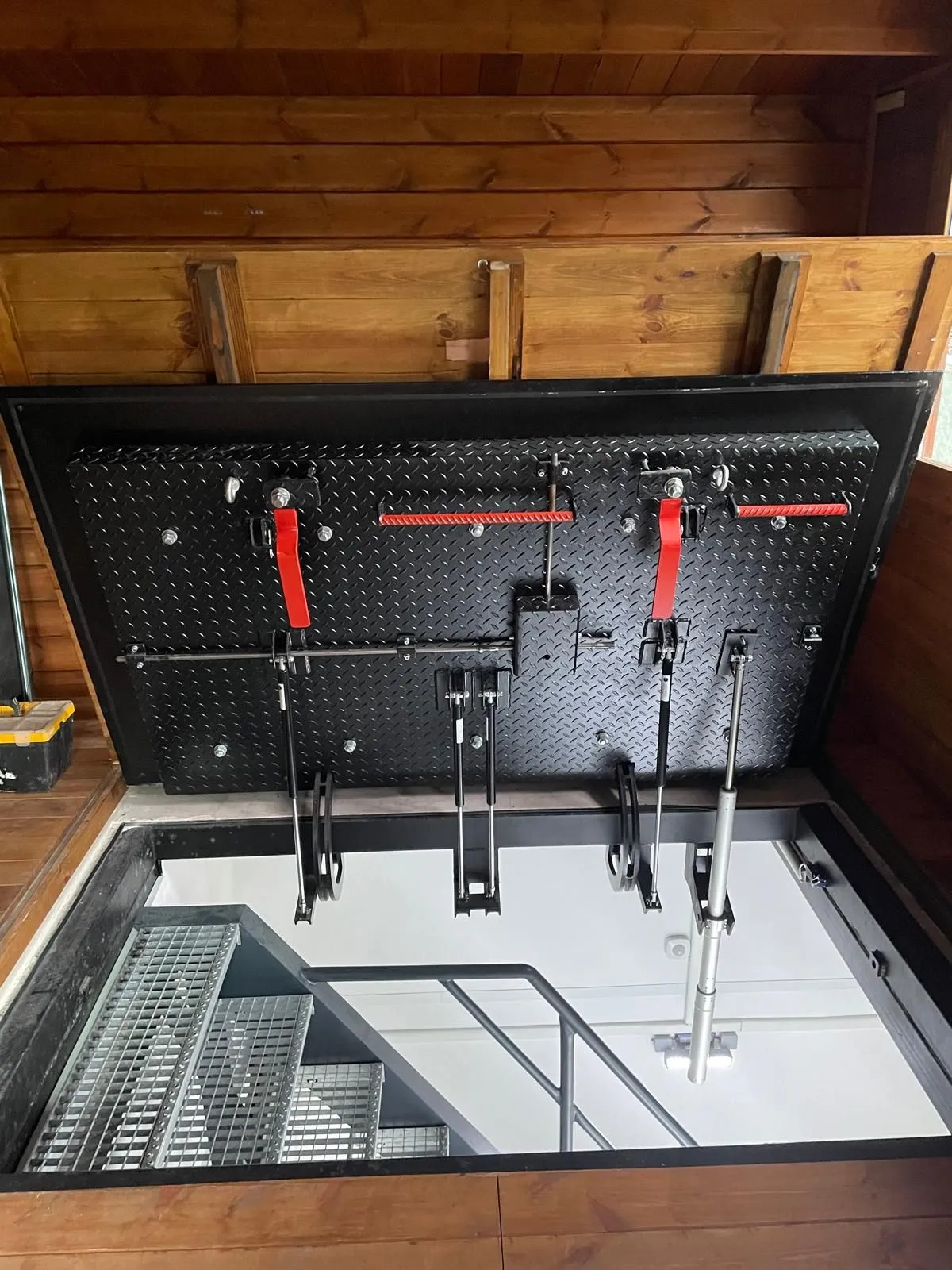
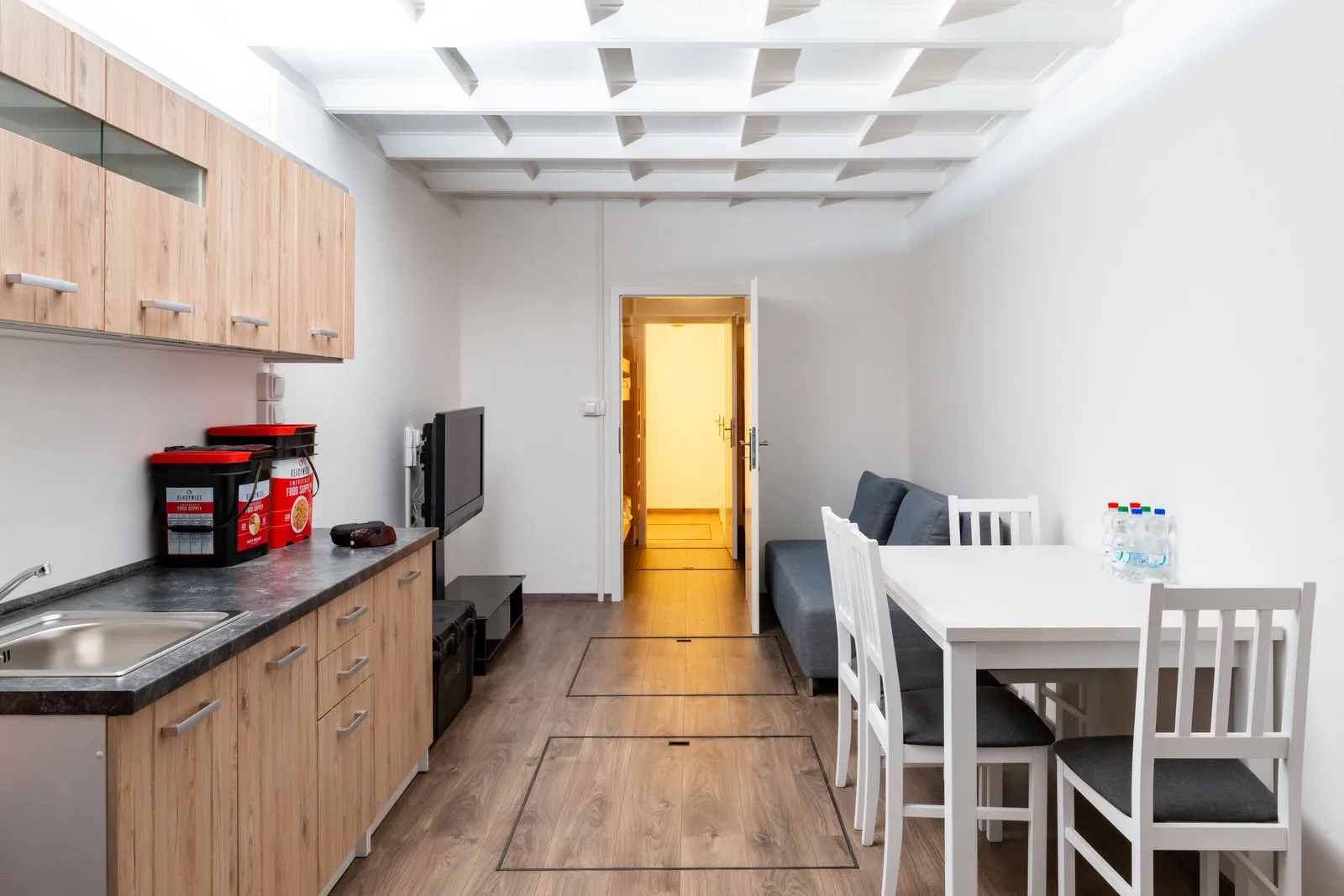
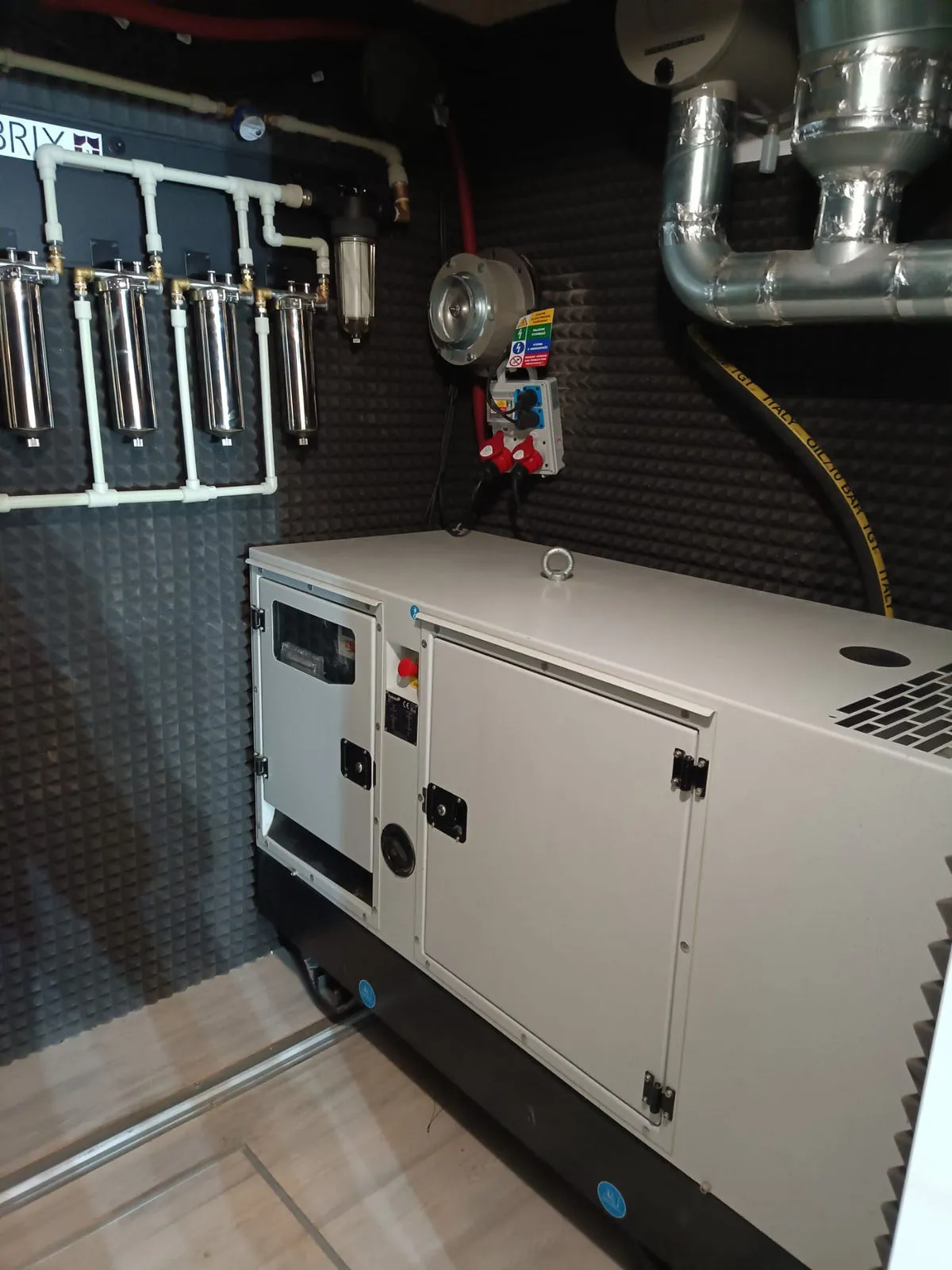
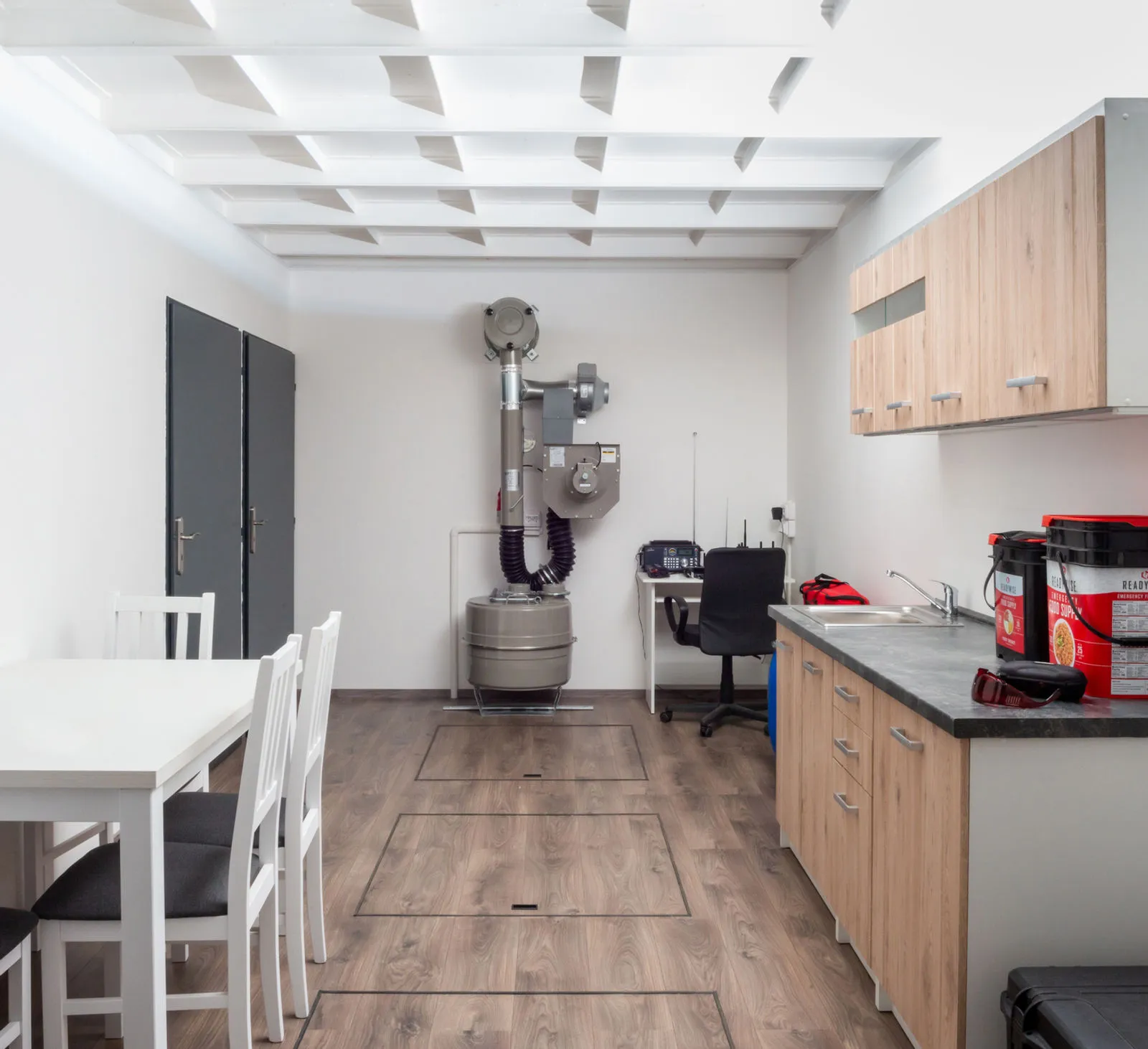
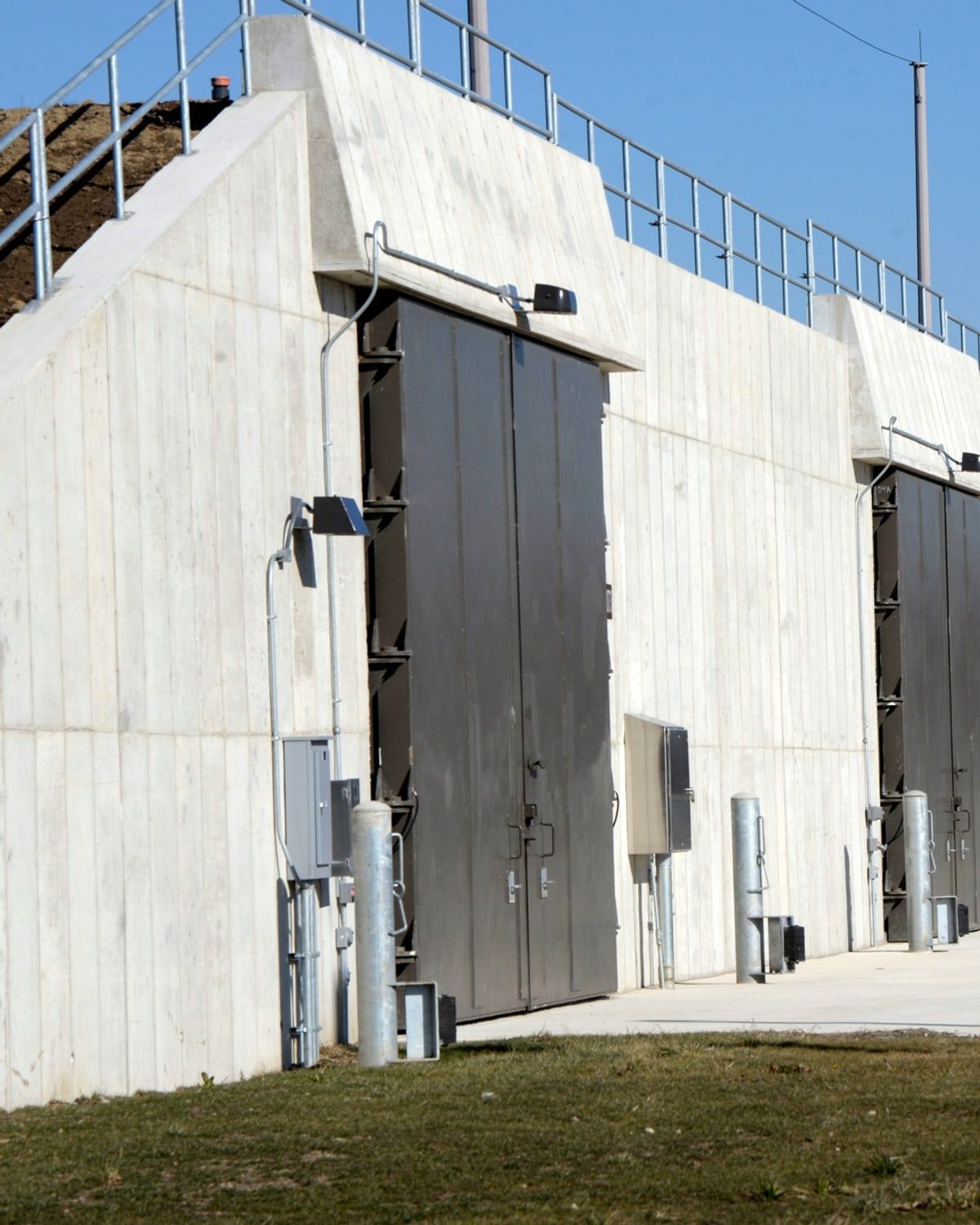
Capital does not finance presentations, but concrete, steel and armouring. A short look at shelter construction delivered by the GBH Bunker division.
GBH Capital can support founders as the GBH Group's investment platform. We select projects based on their market, team, specific milestone and connection to the Group's security practice.
Selective support
Not everyone. Only those who stand up to scrutiny.
A start-up must fit the GBH Group's security, defence, cybersecurity or infrastructure direction.
Security direction Initial validation Capital plan
We invest only where a team demonstrates market need, initial traction and disciplined use of capital.
We seek a narrow intersection: a strong team, verified problem, security direction and capital tied to a specific milestone.
01
It solves a specific customer need, not just a technology looking for a use.
02
The founders can deliver, respond under pressure and accept the operating reality of the market.
03
We see validation through a pilot, customer, partner, demand or a clear sales channel.
04
The funding has a specific purpose, milestones and a route to another measurable result.
Projects must fit a market where the Group understands operations.

Support begins only once the purpose of capital is clear.
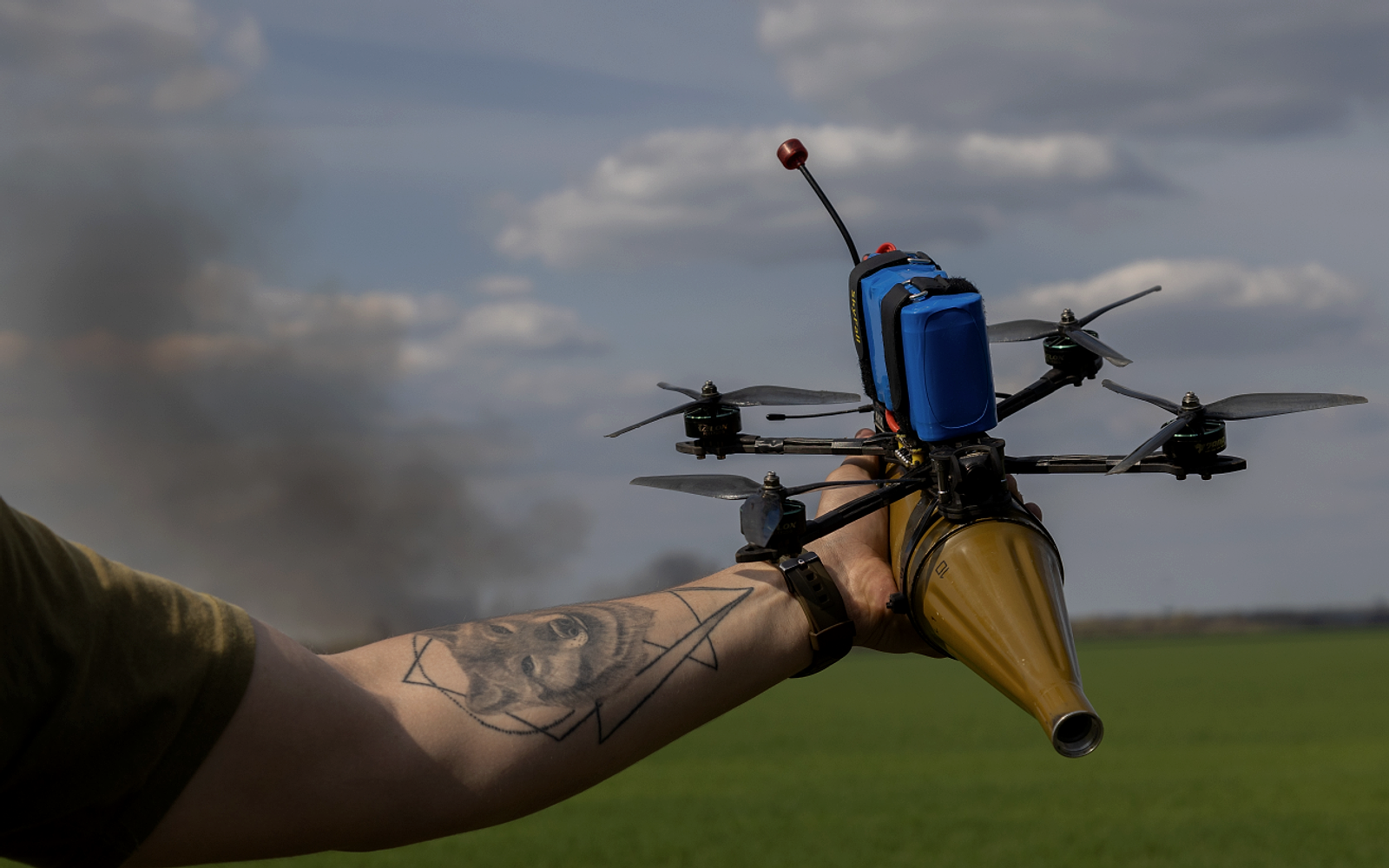
Counter-drone protection, civil protection and shelters, critical infrastructure, cybersecurity and defence technology: five themes supported by public sources and operating-division experience.
C-UAS detection, identification and response to uncrewed systems
Counter-drone protection combines detection, identification and measures against uncrewed systems. MarketsandMarkets forecasts European market growth through 2030, while the Czech Armed Forces publicly describe the development of their own counter-drone capabilities.
C-UAS and airspace protection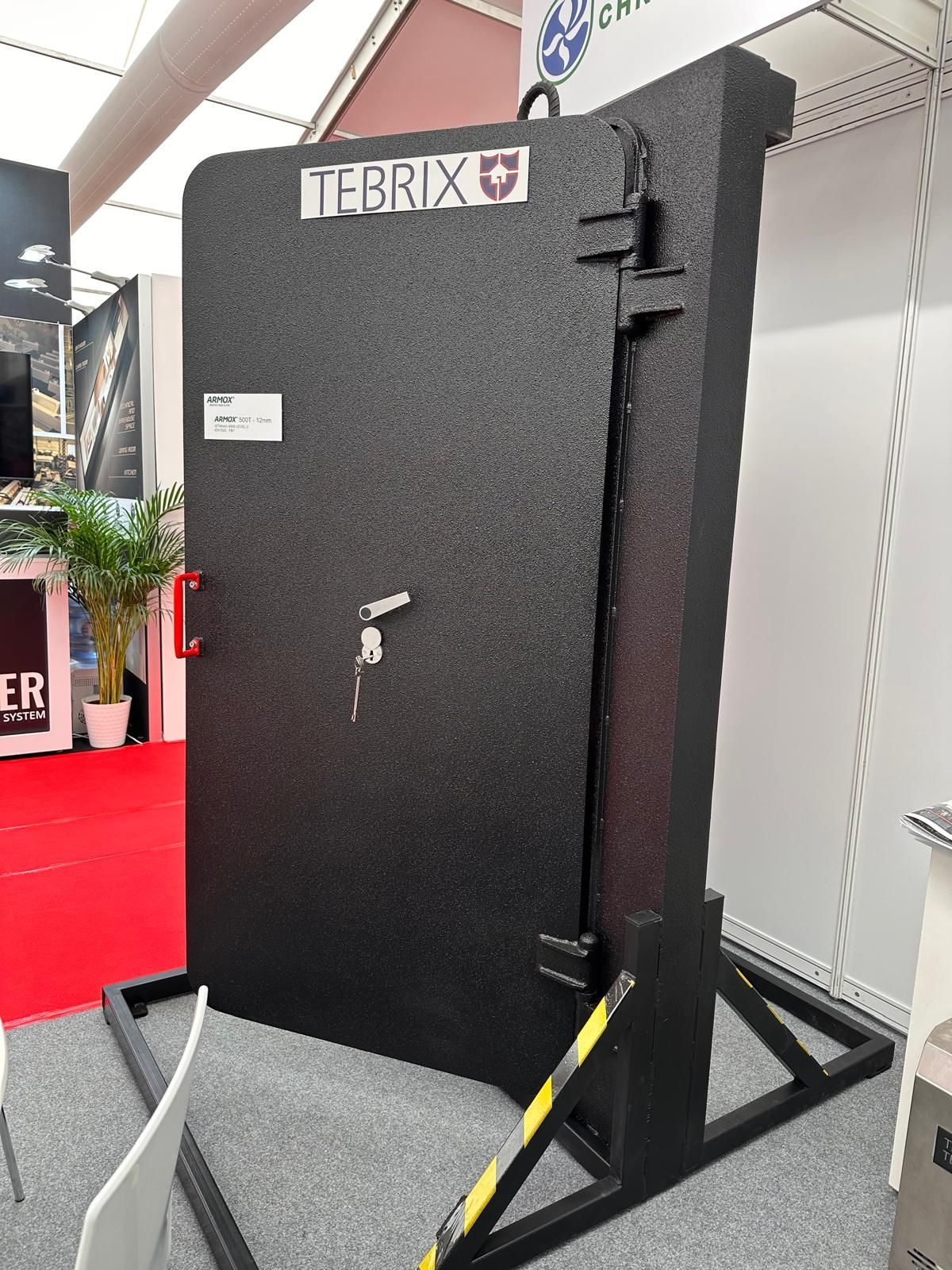
up to 1.5% of GDP in NATO's wider security category, including resilience and critical infrastructure
The Czech Fire Rescue Service identifies both permanent and improvised sheltering as part of civil protection. Within the Group, GBH Bunker focuses on protective structures and secure spaces.
Permanent shelters and resilient structures
266/2025 Sb. Czech Act on the resilience of critical-infrastructure entities
Act No. 266/2025 transposes the CER Directive into Czech law. It applies to listed critical-infrastructure entities and includes risk assessments, resilience plans and incident reporting.
Resilience under Act No. 266/2025
4 825 entities reported a regulated service by 8 February 2026
The new Czech Cybersecurity Act introduced regulated-service regimes supervised by NÚKIB. By 8 February 2026, 4,825 entities had reported a regulated service; specific duties vary by regime.
NIS2 and Act No. 264/2025
3 % HDP planned Czech defence spending by 2030
The Czech Government plans to raise defence spending gradually to at least 3% of GDP by 2030. The EU's SAFE instrument also provides up to €150 billion in long-term loans for joint defence procurement. This public context does not guarantee the return of any specific investment.
Czech defence industry and dual-use technology
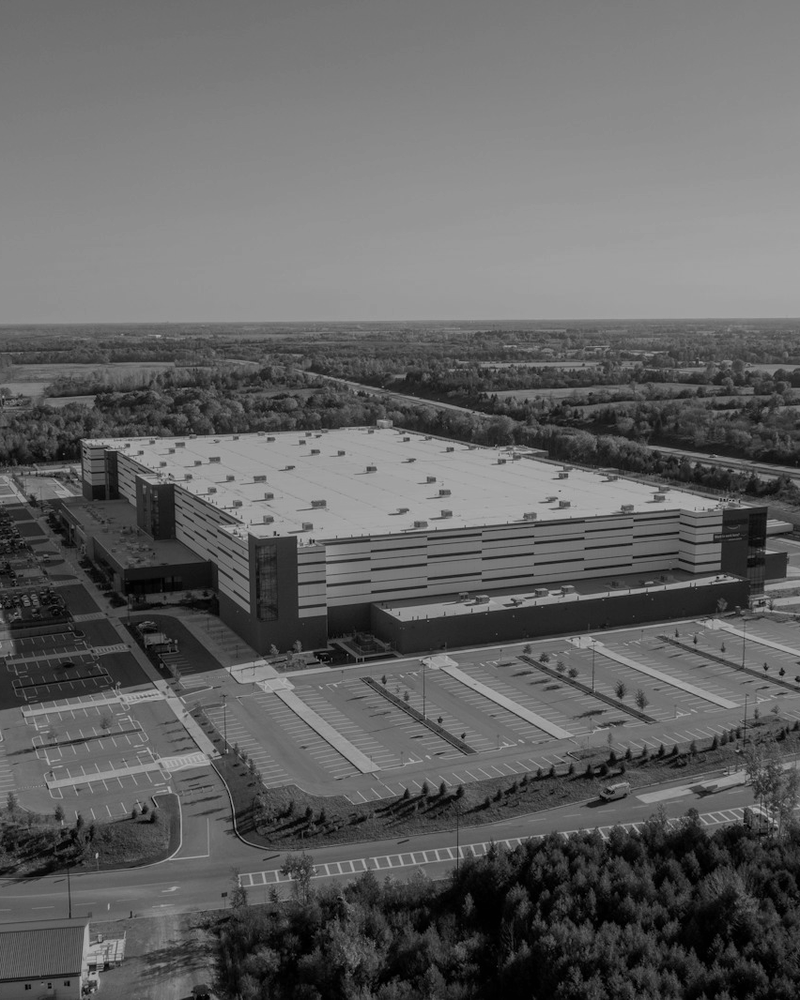
Prague — the home market where GBH Group divisions operate every day.
Recent activity
We map sectors where the Group's divisions have practical experience. Capital assesses opportunities through the customer, documentation and their connection to security practice.
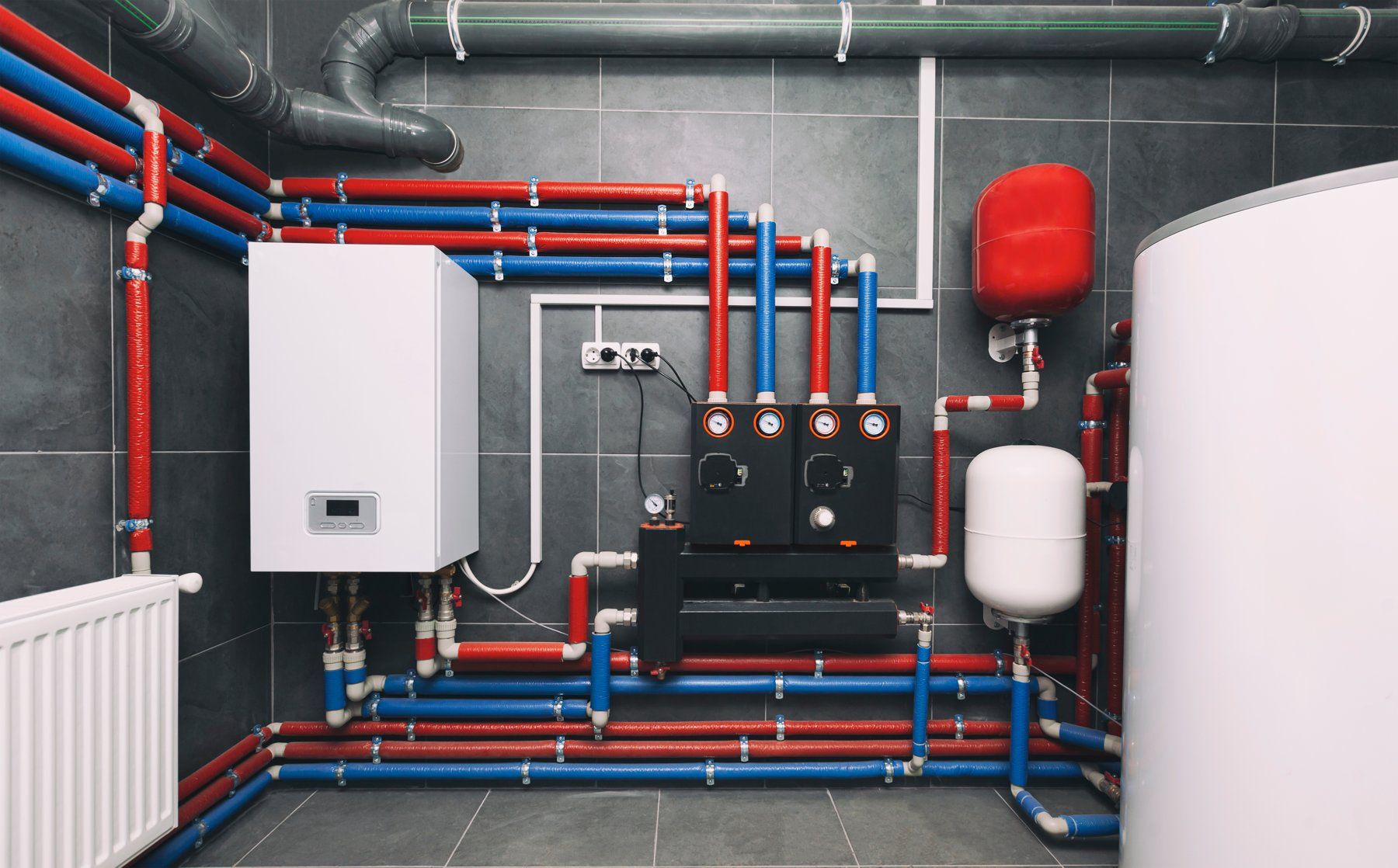
AI, cloud services and regulation are increasing the value of resilient data capacity; GBH assesses it as security infrastructure.
Data centres GBH Cyber experience in audits, defence testing, AI security and recovery helps Capital understand organisational needs.
Cyber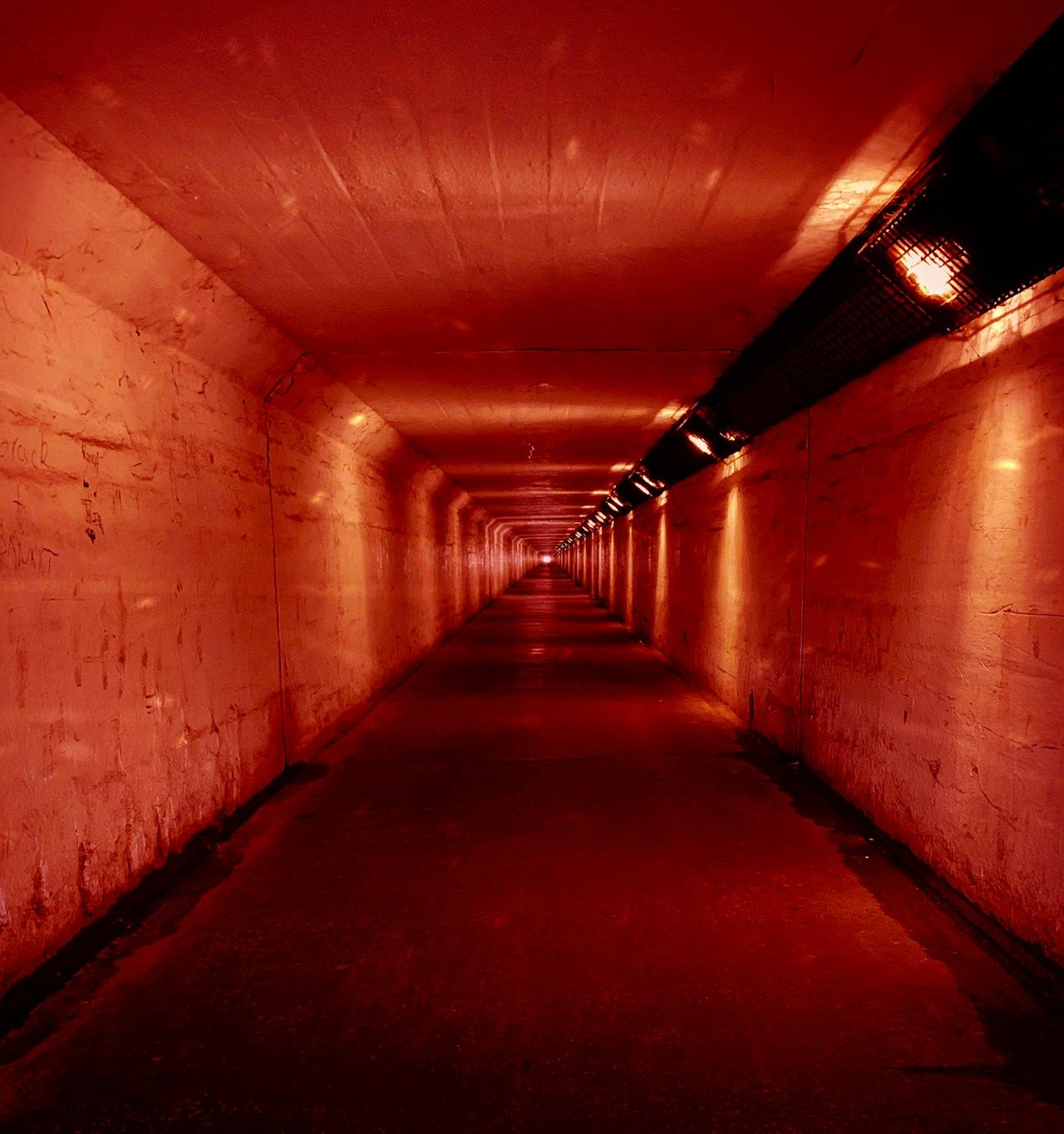
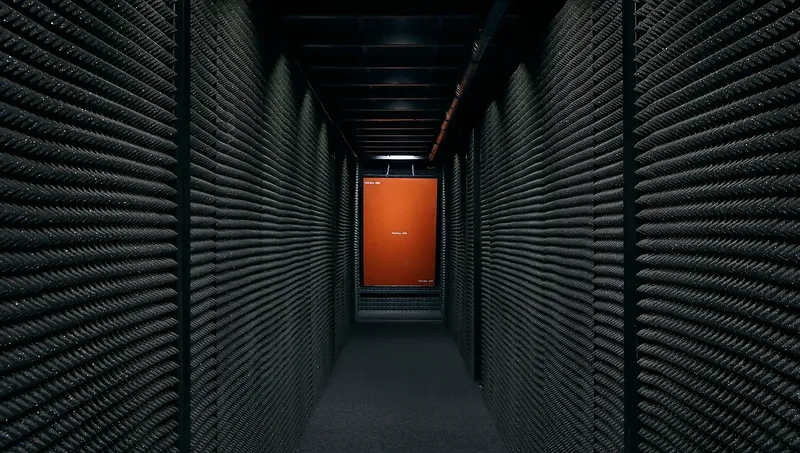
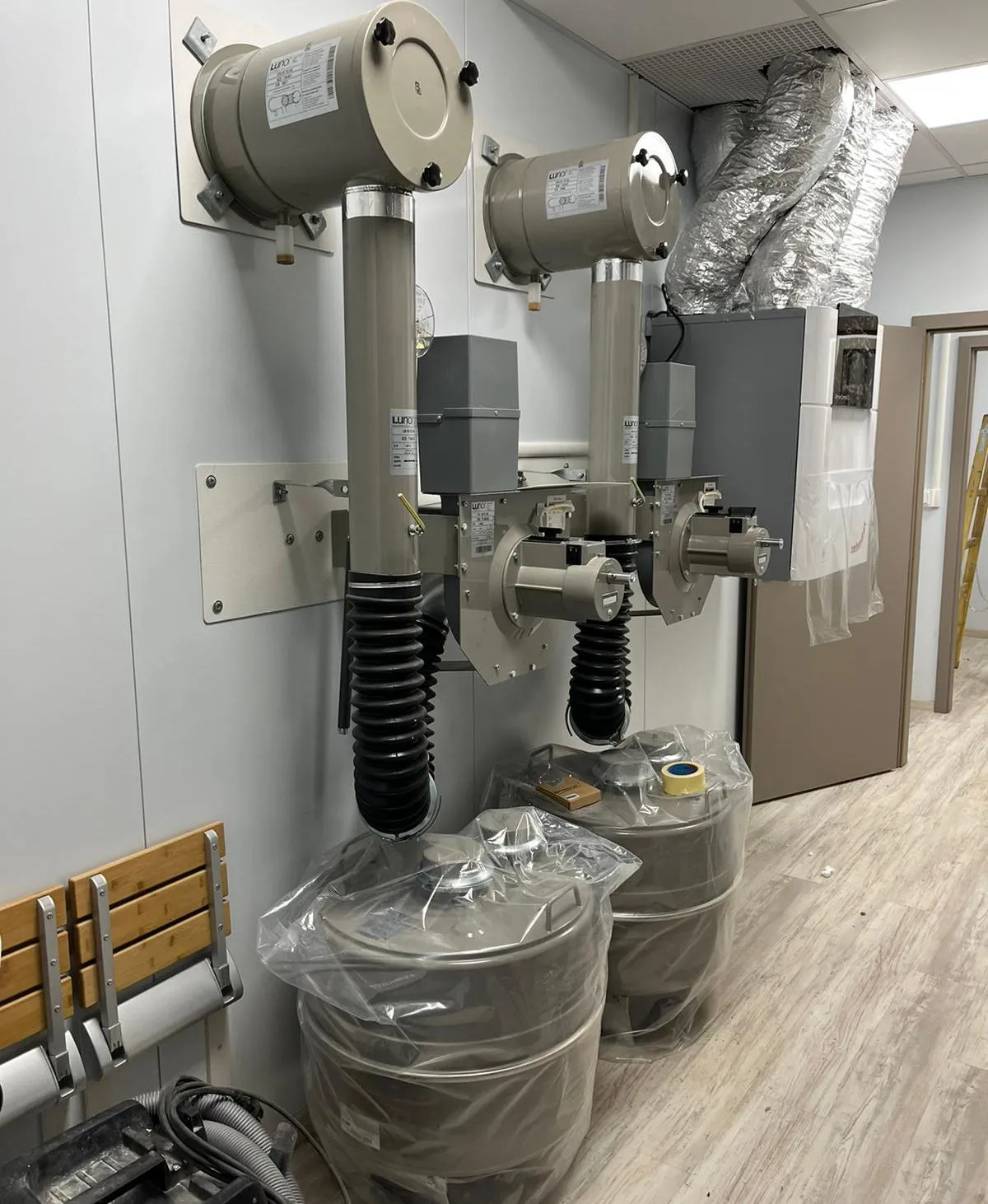
Shelters, armour, filtration and protected operations give investors tangible context beyond a financial model.
Shelters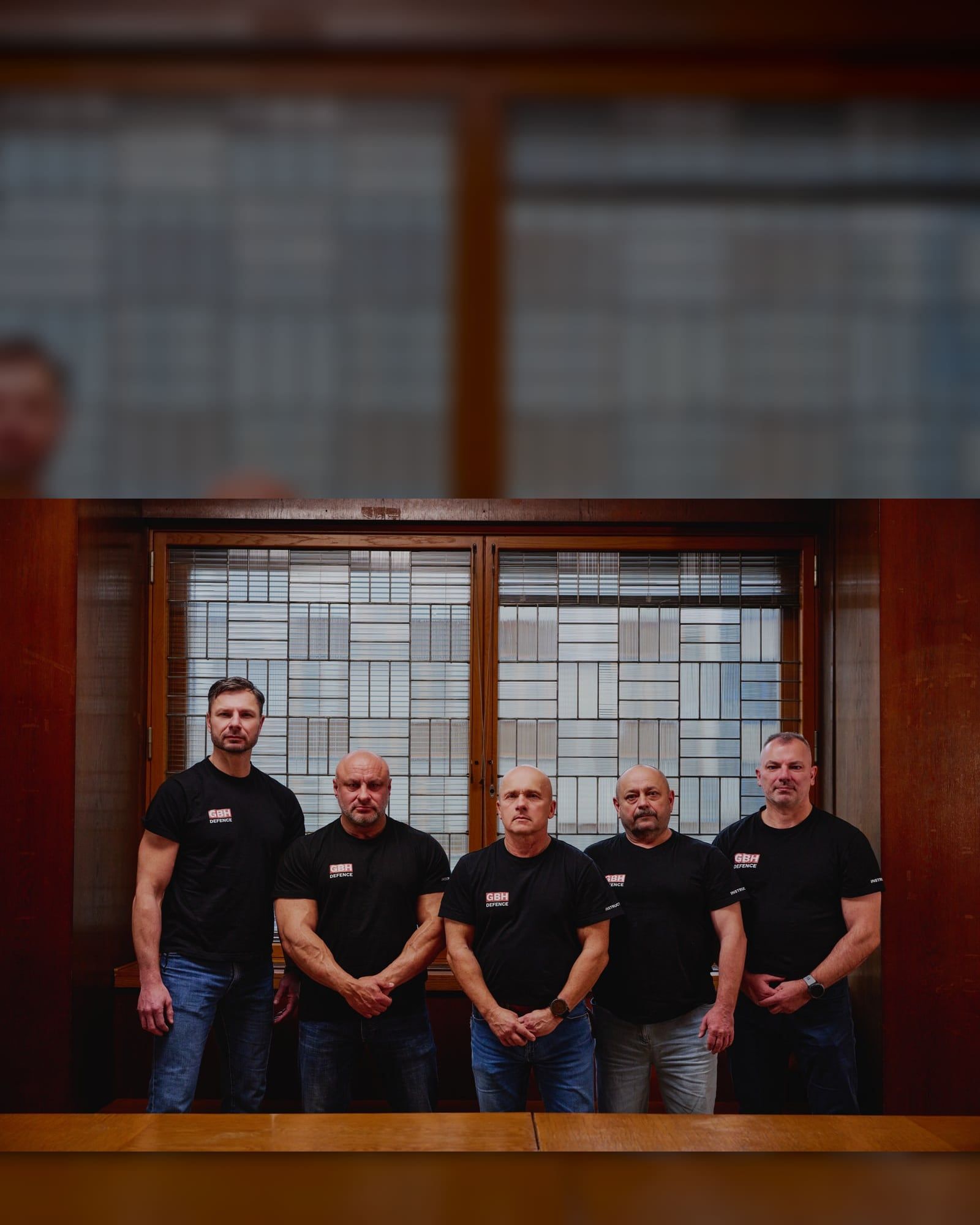
We prioritise businesses with a clear security use case and a path to commercial or institutional customers.
Defence technology
Watch and listen
The official NATO press conference from The Hague Summit and an academic analysis of the five-percent commitment. The video loads only after you click, with no third-party tracking cookies before then.
In the media: ČT24, CNN Prima News, iDNES.cz, Security Magazín, Deník Vektor, Novinky.cz.
The closing press conference in which the Secretary General announces the historic commitment to spend 5% of GDP on defence by 2035.
Mark Rutte, NATO Secretary General · youtube.com/@NATO
After you click, the player loads from youtube-nocookie.com in Google's privacy-enhanced mode. No third-party cookies are stored before you click.
Sabina Șancu talks with two former senior NATO officials about the 5% commitment, including Poland, Spain, France, infrastructure and timing.
CISAC, Stanford University
Open episode (opens in a new tab at cisac.fsi.stanford.edu)Next step
We begin with the sector, an illustrative calculation and the relevant evidence. No pressure, with risks stated clearly.
A short note about what you are looking for is enough. The consultation is non-binding.