01
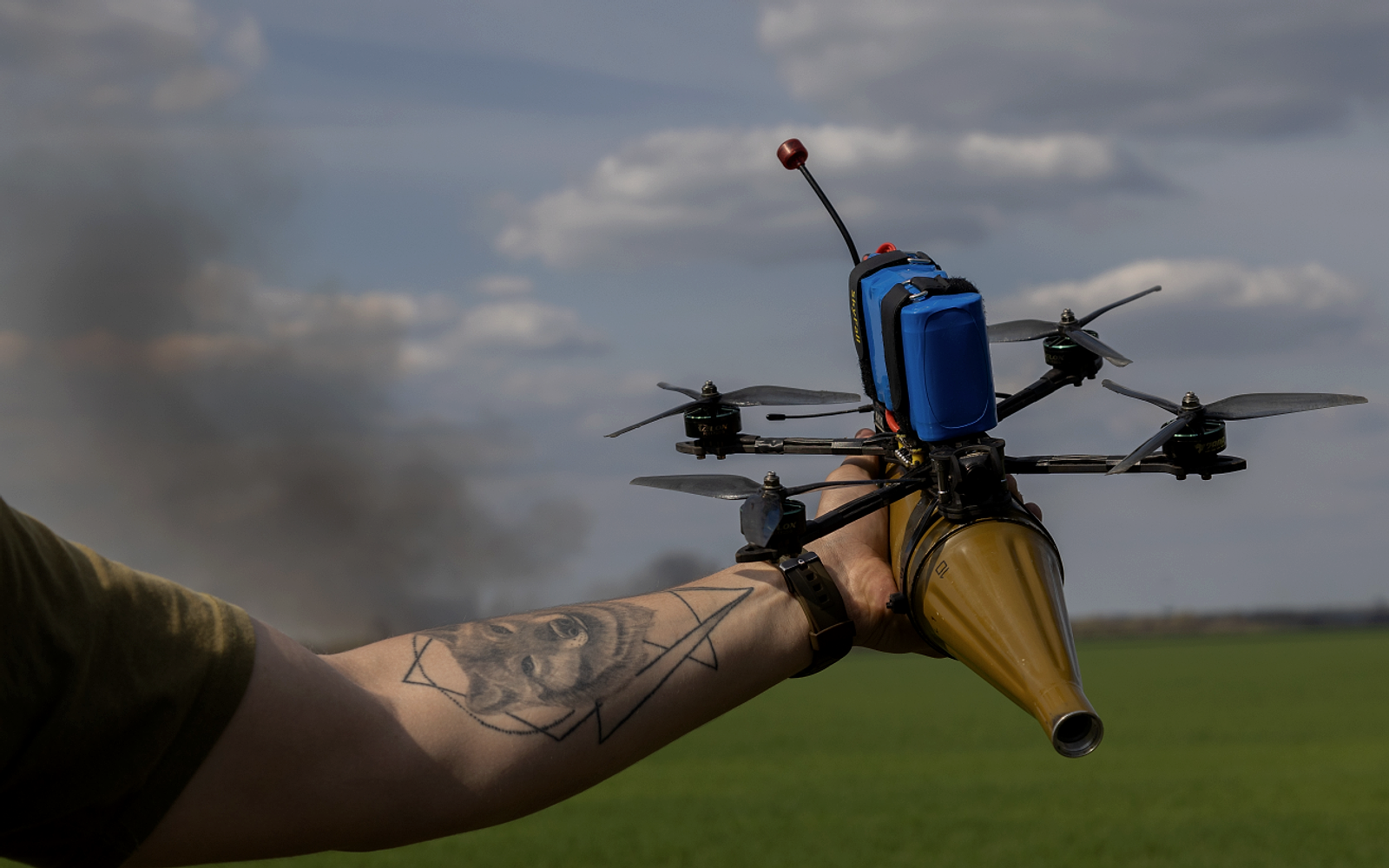
Drones.
Uncrewed systems and counter-drone protection.
We follow technologies that connect reconnaissance, site protection and responses to new threats. Specific participation is disclosed only after the evidence has been verified.
Opportunities
GBH Capital tracks and assesses opportunities in counter-drone protection, civil protection, critical infrastructure, cybersecurity and defence technology. For each theme, it verifies demand, evidence and the role of capital; any specific offer has its own terms and risks.
This is not one product but an investment map. Capital finances and structures only what can be supported by a market, a customer and the GBH Group's operating knowledge.
Drones.
We follow technologies that connect reconnaissance, site protection and responses to new threats. Specific participation is disclosed only after the evidence has been verified.

AI and software.
Software, automation and data analytics accelerate the work of security teams. Capital assesses them as opportunities only when their use case and customer are clear.

Cybersecurity.
Cybersecurity is part of operational resilience for businesses and government. GBH Cyber shows where organisations need audits, incident response and recovery.

People and practice.
GBH Defence and the other divisions are built around people from operations, training, technology and delivery. Investment decisions therefore rely on more than a financial presentation.

Defence budgets are growing.
Defence, civil protection and crisis preparedness are gaining budget priority. We look for opportunities with genuine market pull.
Data centres.
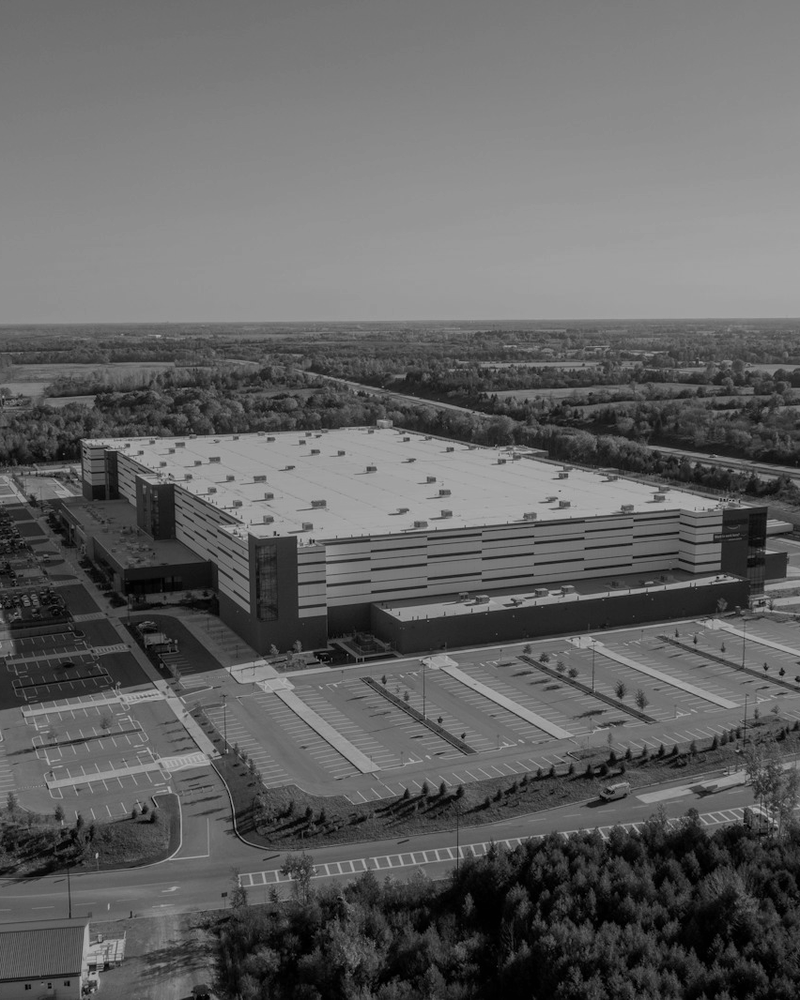
Physical infrastructure remains the foundation of resilience. Data centres, shelters, filtration, armour and protected operations form a tangible investment theme.
C-UAS and airspace protection
Counter-drone protection combines detection, identification and measures against uncrewed systems. MarketsandMarkets forecasts European market growth through 2030, while the Czech Armed Forces publicly describe the development of their own counter-drone capabilities.
C-UAS
detection, identification and response to uncrewed systems
MarketsandMarkets forecasts growth in the European counter-drone market through 2030.
MarketsandMarkets, Europe Anti-Drone Market ↗The Czech Armed Forces have publicly described counter-drone testing, cooperation with Czech manufacturers and further development of this capability.
Czech Armed Forces ↗ Permanent shelters and resilient structures
The Czech Fire Rescue Service identifies both permanent and improvised sheltering as part of civil protection. Within the Group, GBH Bunker focuses on protective structures and secure spaces.
up to 1.5% of GDP
in NATO's wider security category, including resilience and critical infrastructure
The Czech Fire Rescue Service states that the number of permanent shelters is insufficient and declining, increasing the role of improvised shelters.
Czech Fire Rescue Service, Shelter in the Czech Republic ↗The Civil Protection Concept to 2025, with an outlook to 2030, set the direction for civil protection in the Czech Republic.
Czech Ministry of the Interior / Fire Rescue Service ↗Alongside at least 3.5% of GDP for core defence, NATO's Hague framework includes up to 1.5% for wider security expenditure such as critical infrastructure, civil preparedness and resilience.
NATO, Hague Summit Declaration ↗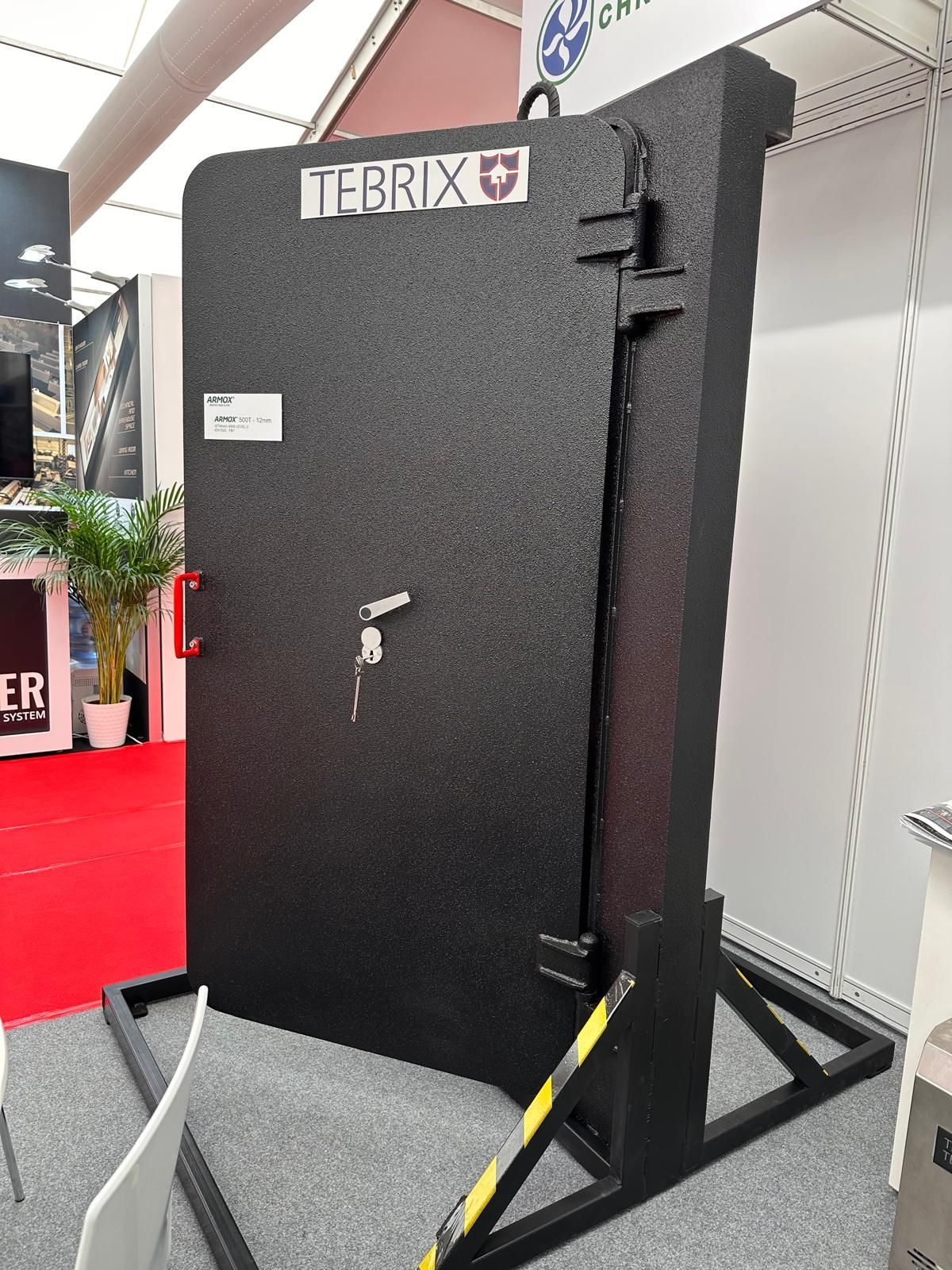
Resilience under Act No. 266/2025
Act No. 266/2025 transposes the CER Directive into Czech law. It applies to listed critical-infrastructure entities and includes risk assessments, resilience plans and incident reporting.
266/2025 Sb.
Czech Act on the resilience of critical-infrastructure entities
Act No. 266/2025 on the resilience of critical-infrastructure entities took effect on 19 August 2025.
Czech Collection of Laws ↗The Act transposes the EU CER Directive (2022/2557) on the resilience of critical entities.
Czech Fire Rescue Service ↗
NIS2 and Act No. 264/2025
The new Czech Cybersecurity Act introduced regulated-service regimes supervised by NÚKIB. By 8 February 2026, 4,825 entities had reported a regulated service; specific duties vary by regime.
4 825
entities reported a regulated service by 8 February 2026
Act No. 264/2025, the new Czech Cybersecurity Act transposing NIS2, took effect on 1 November 2025.
NÚKIB ↗By 8 February 2026, 4,825 entities had reported a regulated service.
NÚKIB, 11 February 2026 ↗ Czech defence industry and dual-use technology
The Czech Government plans to raise defence spending gradually to at least 3% of GDP by 2030. The EU's SAFE instrument also provides up to €150 billion in long-term loans for joint defence procurement. This public context does not guarantee the return of any specific investment.
3 % HDP
planned Czech defence spending by 2030
The Czech Government decided to increase defence spending by 0.2 percentage points annually to at least 3% of GDP by 2030.
Government of the Czech Republic ↗Based on national plans, SAFE provides Member States with up to €150 billion in long-term loans for joint defence procurement.
Council of the EU ↗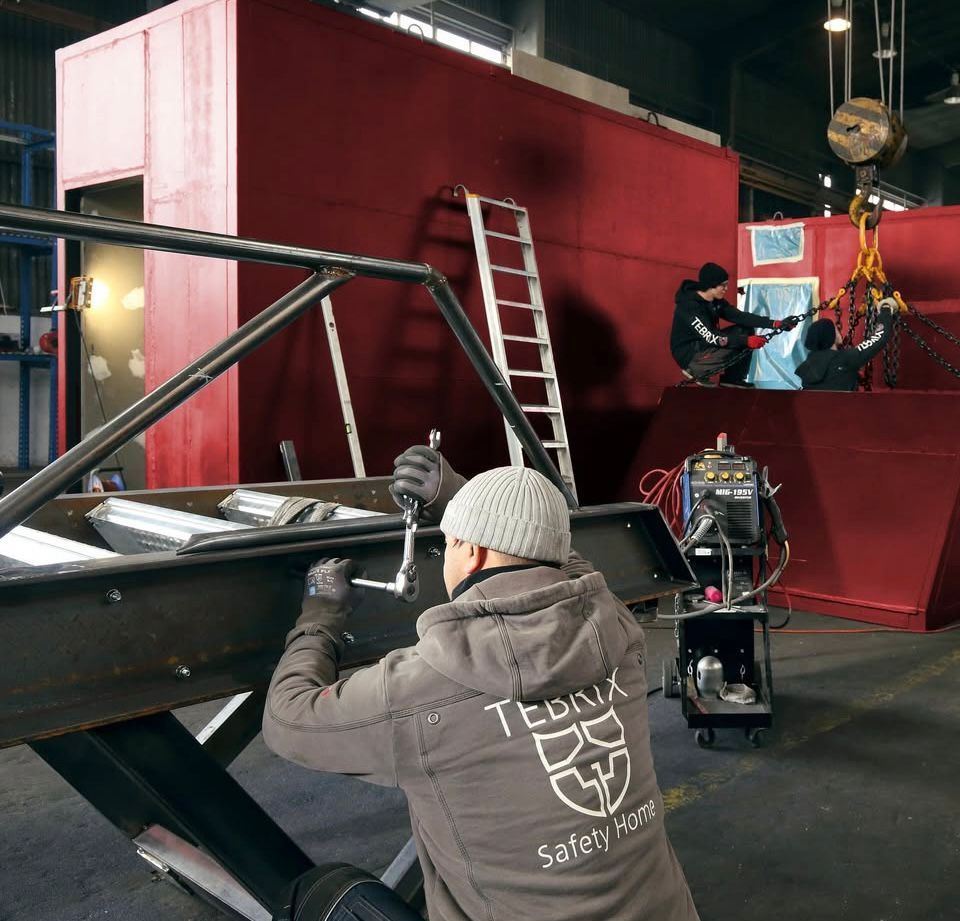
Each sector below is presented publicly as a theme and opportunity. We do not claim a specific investment relationship without internally verified evidence.
Uncrewed systems are moving the security market towards faster response.
Software multiplies the effectiveness of teams that already understand security operations.
Digital defence is part of operational resilience, not a separate IT line item.

European defence needs new suppliers, faster development and capital.
AI and cloud services are turning data capacity into strategic infrastructure.
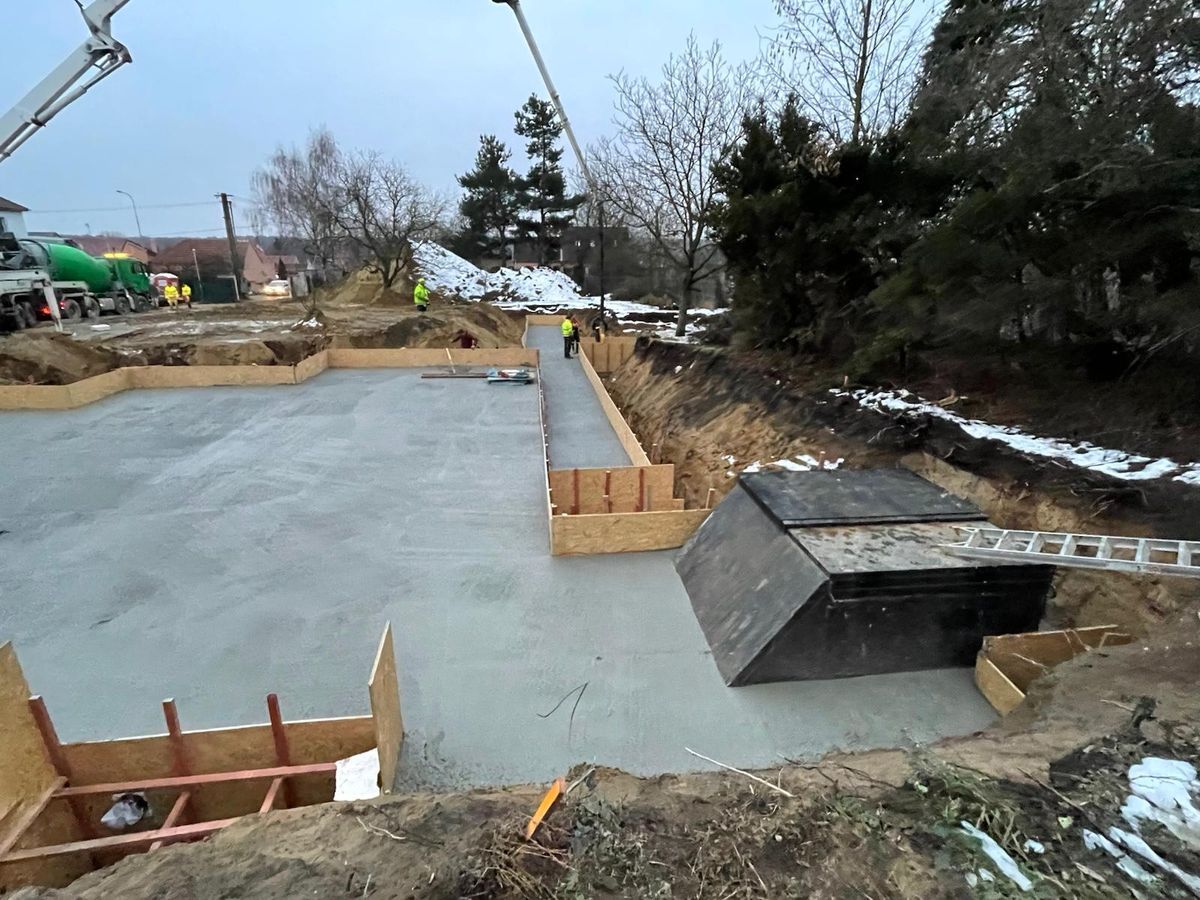
Shelter infrastructure is an area where the Group has direct operating experience.
AI, cloud services and digitalisation are moving data centres into critical infrastructure. For GBH, this is an investment theme alongside protective construction, defence and cybersecurity.
Data centres in the investor overview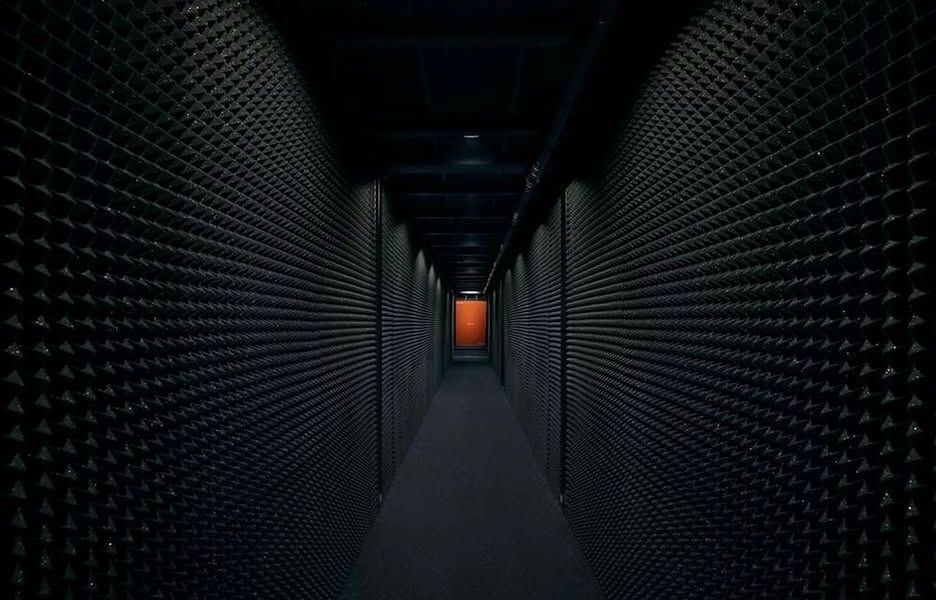
An investment team reviewing opportunity materials and risks at a table
Evidence, not numbers alone, drives the assessment. The process separates general sector interest from an opportunity with documentation, a customer and a clear role for capital.
We identify opportunities through operating-division relationships, the security market and the investment network.
We verify the customer, technical feasibility, documentation, risks and commercial reality.
We allocate capital only where the scale, timing and role of GBH Capital make sense.
We track projects through operating milestones, not only projected returns.
We assess an exit or return against the specific structure and documentation of the opportunity.
Recent activity
We map sectors where the Group's divisions have practical experience. Capital assesses opportunities through the customer, documentation and their connection to security practice.
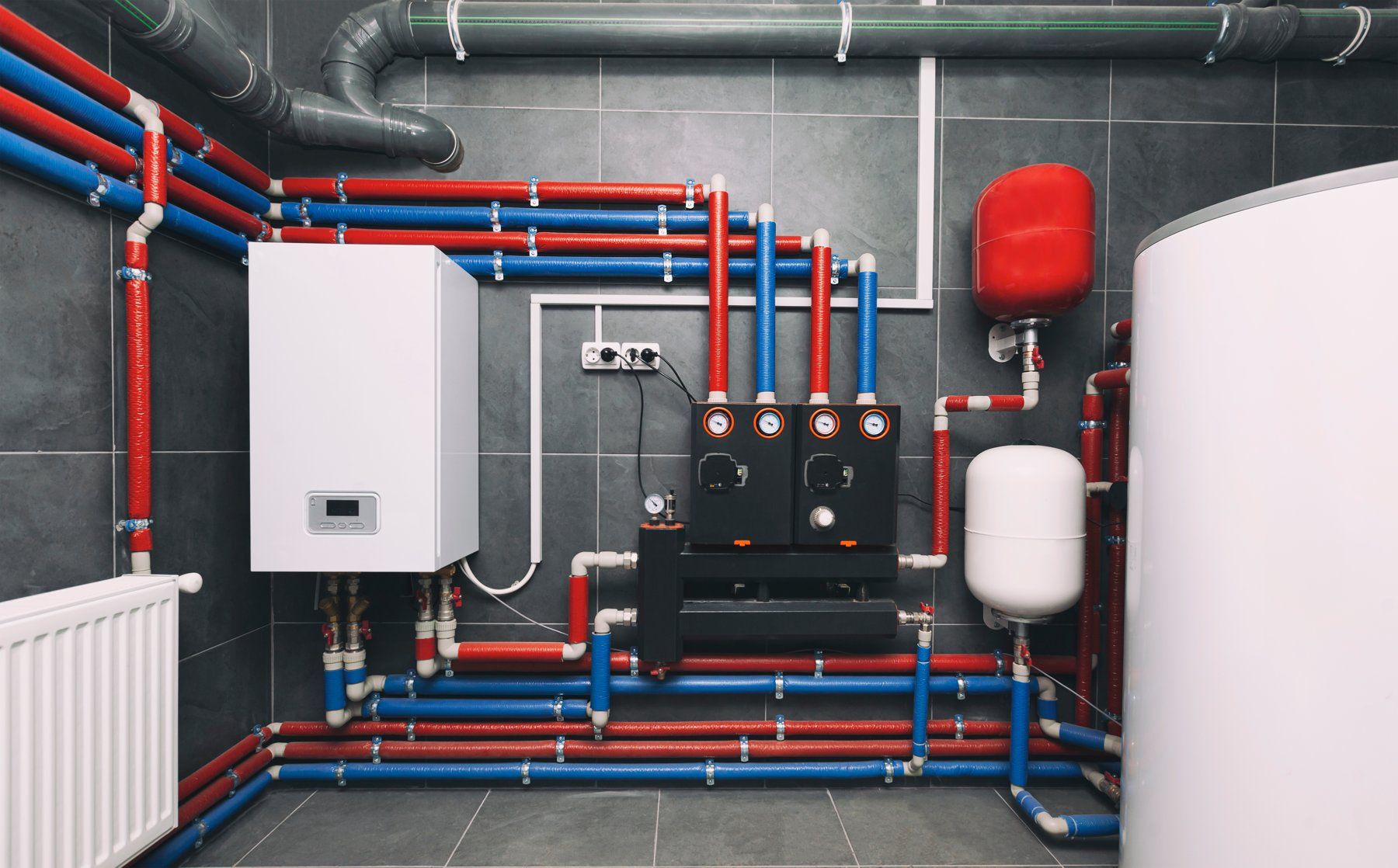
AI, cloud services and regulation are increasing the value of resilient data capacity; GBH assesses it as security infrastructure.
Data centres GBH Cyber experience in audits, defence testing, AI security and recovery helps Capital understand organisational needs.
Cyber
Shelters, armour, filtration and protected operations give investors tangible context beyond a financial model.
Shelters We prioritise businesses with a clear security use case and a path to commercial or institutional customers.
Defence technologyChoose an amount and an illustrative annual scenario. The result supports an initial discussion; it is not a promise of returns from a specific offer.
This public website intentionally does not sell a specific product. It shows the framework Capital uses to evaluate opportunities.
Security, defence, cybersecurity and data infrastructure have measurable demand in Europe and the Czech Republic.
The GBH Group works in these fields through Defence, Cyber, Bunker, Academy and Partners. Capital uses that experience as an investment filter.
Specific terms belong in an individual process, not in a public slogan.
The calculator supports an illustrative scenario and an initial discussion of the documentation.
Every opportunity has its own risk profile and requires an independent assessment.
The Group diagram shows how GBH Capital fits alongside the holding company and operating divisions.